

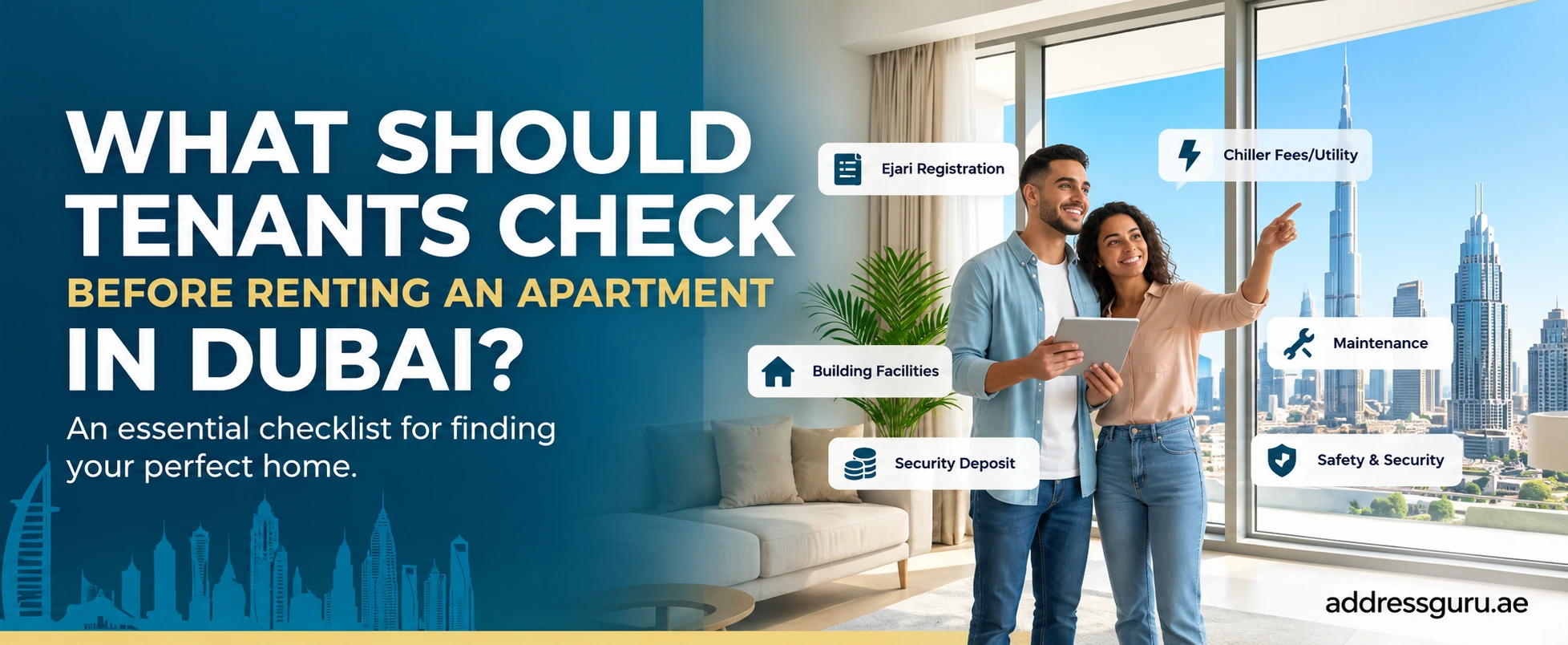
Finding an apartment that looks perfect online can be exciting, but photographs alone cannot tell you whether a property is comfortable, affordable and suitable for everyday life. Before renting an apartment in Dubai, tenants should check more than the monthly or annual rent.
The condition of the apartment, tenancy contract, additional expenses, building facilities and daily commute can all affect your renting experience. Missing an important detail before signing may lead to unexpected costs or avoidable problems later.
Whether you are moving to Dubai for work, relocating with your family or searching for your first apartment, this checklist will help you make a more informed decision.
1. Check the Total Cost of Renting
The advertised rent is only one part of your housing budget. Before committing to an apartment, ask the landlord or authorised agent for a clear breakdown of the costs.
Check the following expenses:
-
Annual rent and payment schedule
-
Security deposit
-
Agency or brokerage fee, if applicable
-
Applicable registration or administrative charges
-
Electricity and water bills
-
Internet connection
-
Cooling or chiller charges, where applicable
-
Parking fees, if charged separately
-
Maintenance costs that the contract assigns to you
Ask which expenses are included in the rent and which you must pay separately. This helps you compare properties fairly instead of choosing an apartment based only on its advertised price.
2. Inspect the Apartment During Your Visit
Never rely entirely on listing photographs or a virtual tour if you can arrange an in-person viewing.
During the inspection, check:
-
Walls and ceilings for damp patches, cracks or visible damage
-
Windows and doors for proper operation
-
Water pressure and drainage in bathrooms and the kitchen
-
Air conditioning performance
-
Electrical sockets, switches and lighting
-
Kitchen cabinets and installed appliances
-
Signs of pests, unusual smells or water leakage
-
Mobile signal and natural light in the rooms
Take photographs or videos of existing damage with permission. Request that agreed repairs are completed before move-in and documented in writing.
3. Read the Tenancy Contract Carefully
Your tenancy contract should clearly explain the terms of your rental arrangement. Do not sign until you understand the important clauses.
Pay attention to:
-
Contract duration and renewal terms
-
Rent amount and payment dates
-
Security deposit and refund conditions
-
Responsibility for maintenance and repairs
-
Rules about early termination
-
Notice requirements
-
Rent increases and applicable procedures
-
Any restrictions or additional charges
If a clause is unclear, ask for written clarification before signing. For applicable tenancy requirements and dispute procedures, consult the relevant Dubai authorities or an appropriately qualified professional.
4. Confirm the Required Documents and Registration
Ask which documents are needed from you and the landlord or authorised representative. Verify that the person offering the apartment has the authority to rent it.
For a standard Dubai residential tenancy, check the applicable requirements for registering the tenancy through Ejari. Confirm who will arrange the registration, which documents are required and whether any associated fees apply.
Also ask about the process for setting up essential utilities, including your electricity and water account, and any separate cooling service that the building uses.
Keep copies of your signed contract, payment receipts, registration documents and written communications.
5. Check Building Facilities and Security
An apartment may look attractive while the building itself does not meet your needs. Inspect the common areas and ask which facilities residents can actually use.
Check:
-
Lift condition and waiting time
-
Entrance security and visitor access
-
Parking availability and allocation
-
Gym, swimming pool or other advertised facilities
-
Cleanliness of corridors and shared spaces
-
Waste disposal arrangements
-
Building maintenance and complaint procedures
-
Accessibility for children, older residents or people with mobility needs

If a facility is important to you, confirm whether access is included in your rent and whether it is currently operational.
6. Evaluate the Location and Daily Commute
The right apartment should make your daily routine easier. Visit the property at a time that reflects your normal commute, if possible.
Consider the distance to your workplace, supermarkets, clinics, schools and other places you regularly visit. Check nearby public transport options, road access and typical traffic conditions for your travel times.
A cheaper apartment may not be the most economical choice if it significantly increases your transport expenses or commuting time.
7. Understand Maintenance Responsibilities
Before moving in, establish who is responsible for different types of repairs. The contract should help clarify how maintenance requests are handled and which costs may be assigned to the tenant or landlord.
Ask these questions:
-
Who should you contact for an urgent repair?
-
Is routine maintenance handled by the landlord or a building management company?
-
How should air conditioning or plumbing problems be reported?
-
Are there any maintenance exclusions or cost thresholds in the contract?
-
What is the expected process for resolving complaints?
Get important promises in writing rather than relying on verbal assurances.
8. Ask About Parking, Noise and Neighbours
Small practical details can make a significant difference after you move in.
Confirm whether a parking space is allocated to your apartment and whether guest parking is available. During the viewing, listen for traffic, construction or noise from neighbouring units and shared facilities.
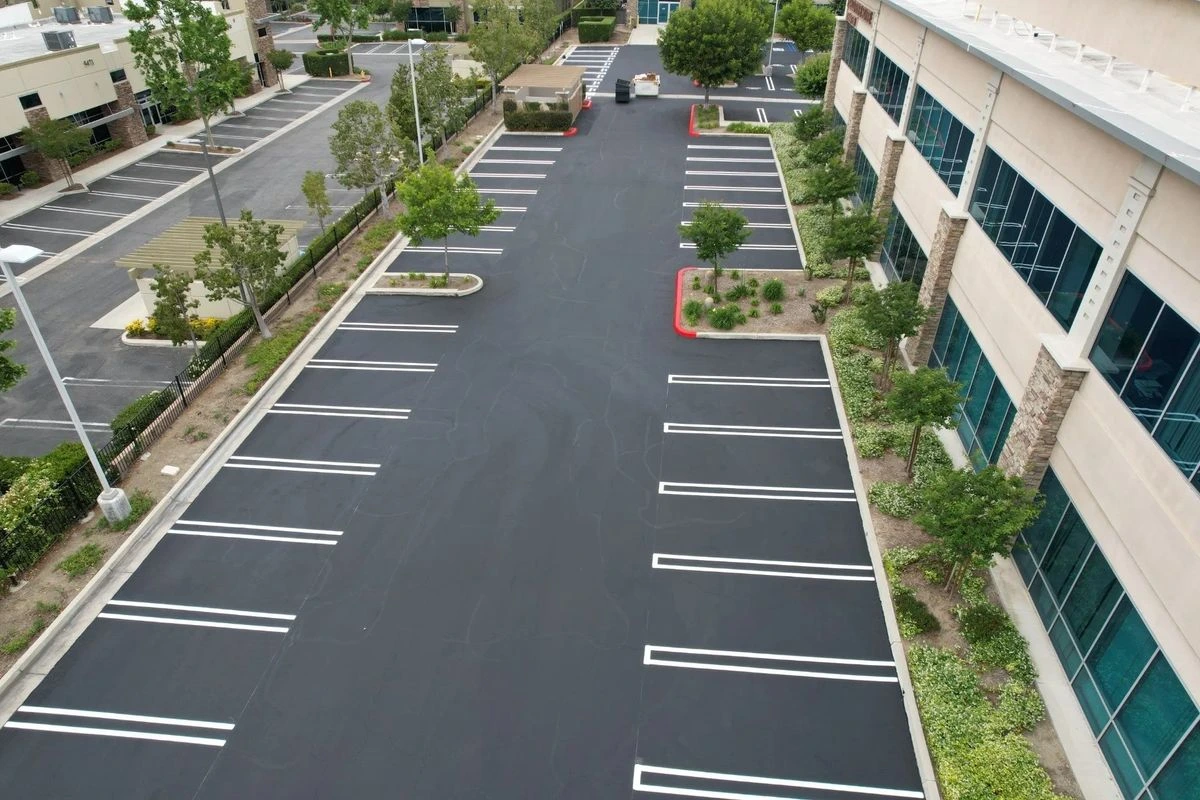
You can also ask about building rules concerning pets, moving furniture, deliveries and use of shared spaces if these matters are relevant to you.
9. Document the Apartment's Condition Before Moving In
Before bringing in your belongings, create a written inventory of the apartment's condition. Include existing damage, missing items, appliance condition and any repairs that remain outstanding.
Take clear photographs and share the inventory with the landlord or property manager. Keep a copy alongside your tenancy documents.
This record can help avoid disagreements about pre-existing damage when your tenancy ends and the security deposit is reviewed.
Common Mistakes Tenants Should Avoid
Avoid these common rental mistakes:
-
Choosing an apartment based only on photographs
-
Ignoring additional costs beyond the rent
-
Signing a contract without reading the terms
-
Paying money without verifying the recipient and obtaining a receipt
-
Assuming advertised facilities are included or operational
-
Accepting verbal promises about repairs without written confirmation
-
Failing to record the property's condition before moving in
Taking time to verify the details can help you avoid unnecessary stress and make a better housing decision.
How to Compare Apartment Listings on AddressGuru UAE
When reviewing rental options, compare properties using consistent criteria: total cost, location, apartment condition, building facilities and suitability for your daily routine.
You can explore relevant property listings on AddressGuru UAE and shortlist options that match your requirements. Confirm the current availability, rental terms and property details directly with the authorised contact before making any payment.
Conclusion
Renting an apartment in Dubai becomes easier when you know what to check before committing. Review the full cost, inspect the property, understand the contract, verify the required documents and evaluate the building and location.
Most importantly, keep records of payments, agreements and the apartment's condition. A careful inspection and a clear understanding of your responsibilities can help you choose a home that fits both your budget and lifestyle.