


Your air conditioner stops cooling, a pipe starts leaking or an appliance included with your apartment stops working. You report the problem, but then comes the question: who should pay for the repair—the tenant or the landlord?
The answer depends on the nature of the problem, the tenancy agreement and the applicable Dubai rules. Assuming that every repair is the landlord's responsibility—or that every small repair must be paid for by the tenant—can lead to unnecessary disagreements.
This guide explains how to identify repair responsibilities, document a maintenance issue and communicate with your landlord before the problem becomes more serious.
1. Understand the General Rule for Landlord Maintenance
Dubai's tenancy law sets out the landlord's maintenance obligations.
Under Article 16 of Dubai Law No. 26 of 2007, unless the parties have agreed otherwise, the landlord is responsible during the tenancy for maintenance and for repairing defects or damage that affect the tenant's intended use of the property.
Article 19 also requires tenants to maintain the property in an appropriate manner and recognises agreed or customary tenant restoration responsibilities.
You can read the official legislation here: Dubai Law No. 26 of 2007.
The important point is that the exact responsibility should be assessed against the contract and the facts of the problem.
2. Check What Your Tenancy Contract Says
Before arranging a repair, read the maintenance section of your tenancy agreement.
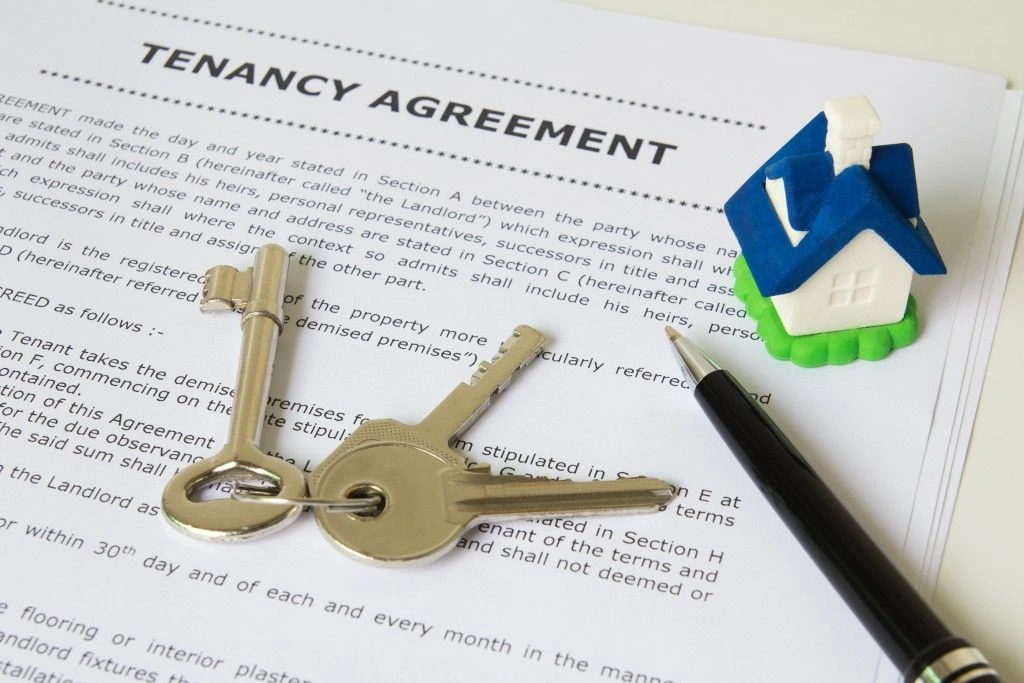
Look for clauses explaining:
-
Who handles routine maintenance
-
Who pays for major repairs
-
Whether minor repairs are assigned to the tenant
-
Whether a monetary threshold applies
-
How maintenance requests must be submitted
-
Whether the landlord must approve a contractor
-
How urgent problems should be reported
Do not assume that a maintenance threshold or a rule you heard from another tenant automatically applies to your contract.
If a clause is unclear, ask the landlord or property manager to explain it in writing.
3. Identify the Type of Repair
The nature of the issue can help you understand what to ask and what evidence to collect.
| Problem | What to check first |
|---|---|
| AC not cooling | Contract, maintenance provider and possible equipment fault |
| Water leakage | Source of leakage, urgency and any damage caused |
| Electrical fault | Safety risk, responsible maintenance contact and professional inspection |
| Broken included appliance | Whether the appliance is part of the rental agreement and the repair clause |
| Damaged door or window | Cause of damage and maintenance responsibility |
| Blocked drain | Cause of blockage and the contract's repair provisions |
This table is a practical starting point, not a definitive legal allocation of every repair. The cause of the problem, contract terms and applicable rules matter.
4. Report the Problem in Writing
As soon as you notice a repair issue, notify the landlord or property manager through the agreed channel.
Include:
-
Your apartment or unit details
-
The date the problem began
-
A clear description of the issue
-
Photographs or videos, where useful
-
Any effect on essential facilities
-
A request for the next steps and expected inspection time
Keep a copy of your message and any reply. Written records help clarify when the issue was reported and what each party agreed to do.
For serious water leaks, electrical hazards or other urgent risks, contact the appropriate emergency or building-maintenance service promptly rather than waiting for a routine reply.
5. Avoid Arranging Expensive Repairs Without Approval
If the problem needs professional attention, ask who is authorised to arrange the inspection and whether the landlord must approve the contractor.
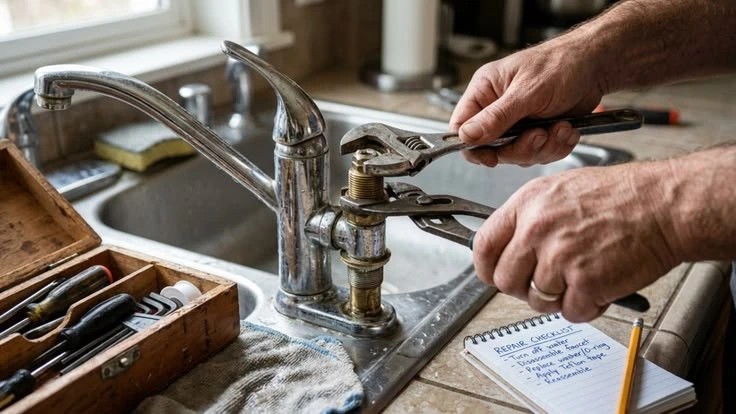
Before work begins, clarify:
-
Who will book the technician
-
Who will pay the inspection fee
-
Who is responsible for the repair cost
-
Whether the quoted work is covered by the contract
-
Whether additional work requires separate approval
If you arrange a repair yourself, do not assume reimbursement is automatic. Keep the written approval, quotation, invoice and proof of payment, and check the applicable contract terms.
6. What If the Landlord Does Not Respond?
If the landlord or property manager does not respond to a reasonable maintenance request, take a structured approach.
Step 1: Send a written follow-up. Restate the issue, the date you first reported it and any damage that has developed.
Step 2: Keep your evidence. Save messages, photographs, inspection reports and contractor quotations.
Step 3: Check the agreement. Review the maintenance clause and any complaint or escalation procedure.
Step 4: Seek official guidance. If the dispute remains unresolved, contact the Dubai Land Department or the Rental Disputes Center to understand the appropriate next step.
Do not automatically deduct repair costs from rent or stop paying rent without obtaining appropriate advice about your situation.
7. Protect Yourself Before Moving In
Many repair disputes can be reduced by documenting the apartment's condition before the tenancy begins.
Take photographs of existing damage, check the air conditioning and plumbing, test included appliances and report any defects in writing.
Keep the inspection record alongside your tenancy contract. If the landlord agrees to complete repairs before move-in, ask for written confirmation and retain evidence of the completed work.
How to Find Relevant Maintenance Services
For repairs that are your responsibility or that have been authorised by the landlord, compare suitable service providers by scope of work, quotation, availability and customer feedback.
You can explore relevant businesses through AddressGuru UAE. Confirm that the provider offers the required service, verify the quotation and establish who is responsible for payment before authorising the work.
Conclusion
Repair disputes are easier to manage when both parties understand the tenancy agreement and keep clear records. Start by identifying the problem, checking the contract and notifying the landlord in writing.
If responsibility is disputed, avoid making assumptions about who must pay. Review the applicable rules and obtain guidance from the relevant Dubai authority when needed.