

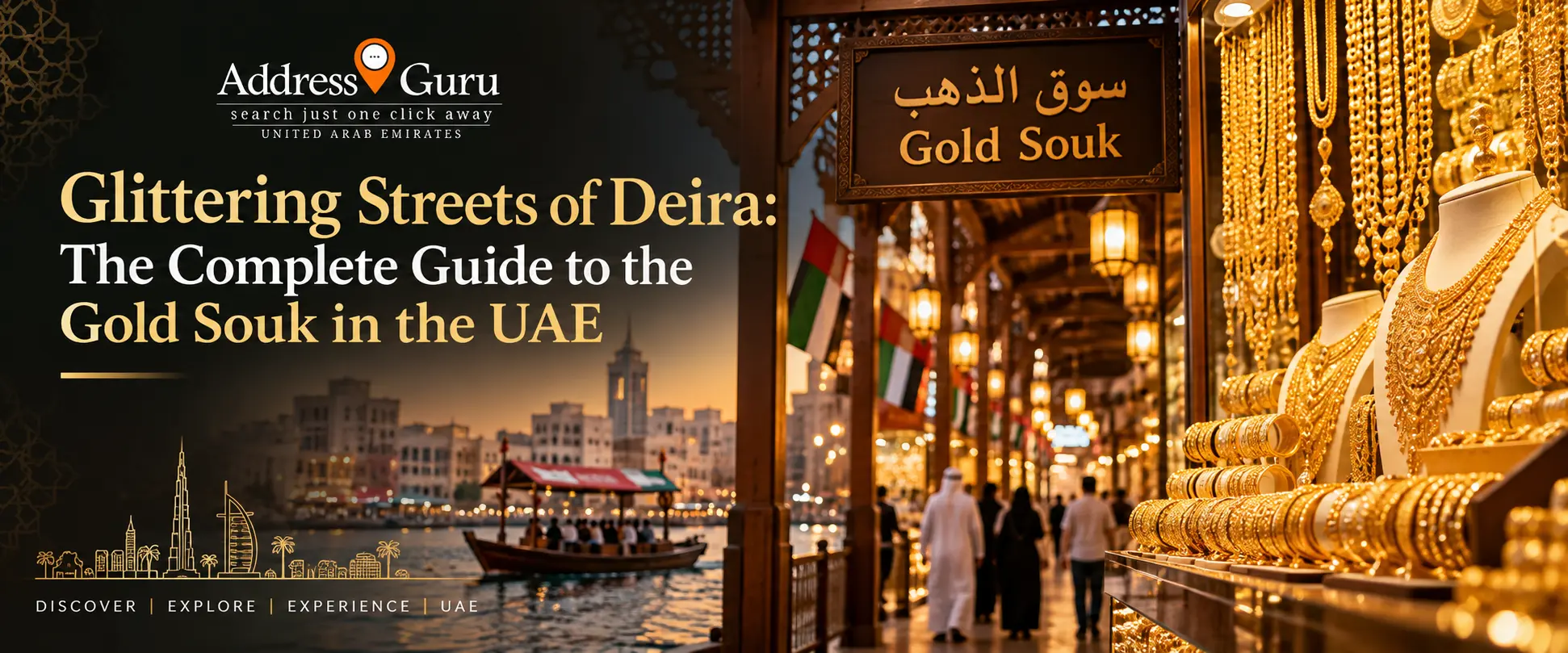
Step into the old heart of Dubai and the first thing you notice is the light. Hundreds of shop windows blaze with gold necklaces, bangles, and pendants, and the narrow lanes hum with the sound of bargaining in Arabic, Hindi, Urdu, Malayalam, and English. This is the Dubai Gold Souk, one of the most famous jewelry markets in the world, and a visit is as much about atmosphere as shopping.
A Bit of History
Dubai's identity as the "City of Gold" grew out of its history as a trading port. Long before the skyscrapers, merchants sailing across the Gulf and the Indian Ocean used Dubai Creek as a natural marketplace, and gold was one of its most trusted commodities. Traders from Iran, India, and East Africa brought goods here, and the city's low-tax, open-trade approach made it a hub for the precious metal trade.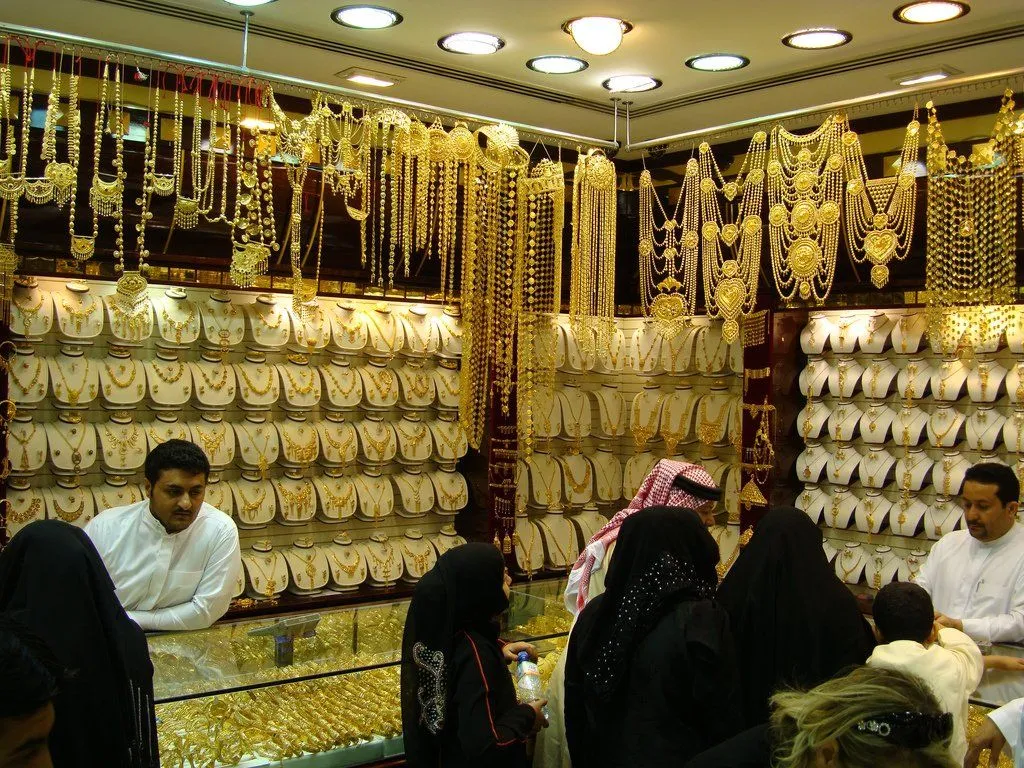
The Gold Souk in Deira carries on that tradition. Its covered, arched walkways and traditional Arabian-style architecture make it feel a world away from the modern city. Today Dubai is among the leading gold trading centers in the world, and much of the gold that passes through the Gulf goes on to markets across Asia and Africa.
Why the Gold Souk Is So Famous
-
Sheer scale: Several hundred retailers and wholesalers sit within a compact area, so you can compare an enormous range of designs in one afternoon.
-
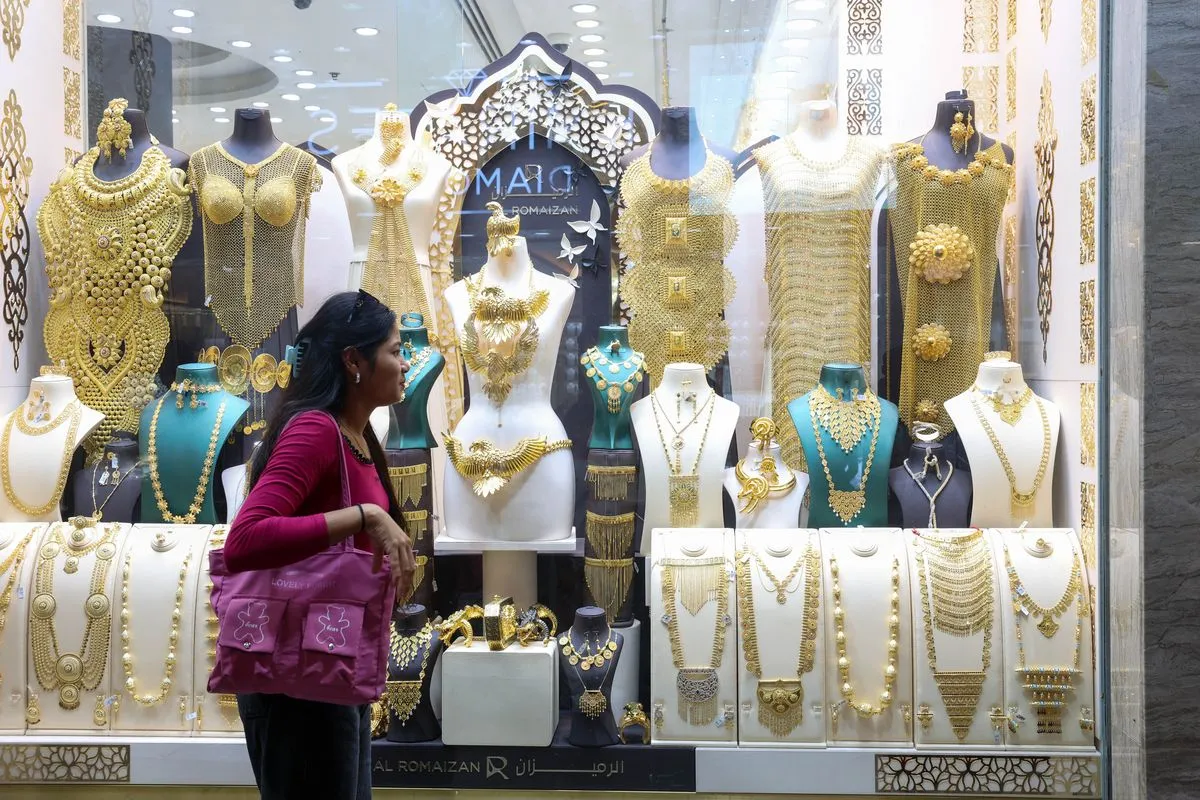
Window displays: Shops stack their windows with heavy necklaces and bridal sets, often glowing under bright lights. It's a photographer's dream.
-
Record-breaking pieces: The Gold Souk Extension is home to the Najmat Taiba ("Star of Taiba"), a giant gold ring that earned a Guinness World Record for its size. It's a popular photo stop, and worth seeking out.
-
Global mix of styles: Because Dubai's population is so international, shops cater to every taste, from Gulf Arabic to Indian, Pakistani, Turkish, and Western designs.
What You'll Find
-
Traditional Arabic designs: ornate, heavy gold pieces, often with intricate filigree
-
Indian and South Asian styles: bridal sets, temple jewelry, and detailed bangles
-
Contemporary and minimalist pieces: delicate chains, modern rings, and everyday wear
-
Gemstones and diamonds: many shops stock loose stones and offer custom settings
-
Gold bars and coins: popular with people buying for investment
-
Silver, platinum, and pearls: you'll find these in smaller numbers, along with watches in some shops
-
Custom orders: many jewelers can make or resize a piece for you, sometimes within a few days
Understanding Gold Purity
Gold is measured in karats, and knowing the basics protects you as a buyer.
|
Karat |
Purity |
Best for |
|
24K |
About 99.9% pure gold |
Bars, coins, investment |
|
22K |
About 91.6% gold |
Traditional and bridal jewelry |
|
21K |
About 87.5% gold |
Popular in Gulf Arab jewelry |
|
18K |
About 75% gold |
Everyday wear, diamond and gemstone settings |
Higher karat means richer color and purity, but also softer metal that scratches and bends more easily. For daily wear, 18K or 21K is usually more practical, while 22K and 24K are favored for weddings, gifting, and investment. Look for the karat stamp on the piece and check it against the invoice.
How Pricing Works
Gold in the UAE is priced per gram according to the international gold rate, adjusted for the local currency and updated through the day. The metal itself is fairly transparent, and shops usually display the daily rates for each karat. The total cost of a piece usually has three parts:
-
The gold value: weight multiplied by the day's rate for that karat
-
Making charges: the shop's fee for craftsmanship and design, sometimes quoted per gram or as a percentage
-
VAT: value-added tax applied to the purchase (tourists may be able to claim some back, as explained below)
Making charges are where bargaining happens. Simple, machine-made pieces cost less, while handcrafted or heavily detailed designs cost more. Comparing quotes from a few shops and asking about the making charge separately often gets you a better deal. Buying several items at once can help too.
Tips for First-Time Visitors
-
Compare before you buy. Walk the lanes first and get a feel for prices and styles.
-
Check the daily rate. Look up the current gold price before you go so you know what a fair figure looks like.
-
Ask for a full breakdown. Get the weight, karat, gold rate, making charge, and VAT itemized on your invoice.
-
Look for certification. For diamonds and higher-value pieces, ask for a grading certificate from a recognized lab.
-
Weigh it in front of you. Reputable shops weigh items on a digital scale where you can see the reading.
-
Keep your receipt. You'll need it for warranty, resale, exchange, and tax refunds.
-
Ask about buyback and exchange policies. Some shops will buy back or exchange pieces they sold you, often with a deduction for making charges.
-
Negotiate with a smile. Haggling is part of the culture, and friendly, respectful bargaining works best.
-
Consider timing. Mornings are quieter, while evenings are livelier and more atmospheric. Opening hours vary by shop and some close for a break in the afternoon, so check locally.
-
Watch for busy periods. Festivals, weekends, and holiday seasons bring crowds, along with promotions.
-
Be careful with touts. If someone on the street steers you toward a particular shop, take your time and still compare.
-
Dress comfortably. You'll be walking, and it can get warm, so light clothing and comfortable shoes help.
Best Time to Visit
The UAE is hottest from roughly June to September, so many visitors prefer the cooler months from November to March, when walking the souk is much more pleasant. Gold buyers often plan trips around shopping events such as the Dubai Shopping Festival, which usually runs in winter and features discounts, raffles, and special offers from jewelers. Dates change each year, so check the official schedule before booking.
Tax Refunds and Customs
Tourists can often claim back VAT on eligible purchases from participating retailers when leaving the UAE. Ask the shop if it takes part in the tax-free scheme, keep your invoice, and follow the refund process at the airport or exit point.
Also remember that your home country may limit how much gold you can bring in duty-free, and may require you to declare higher amounts. These rules differ widely and change over time, so check your own country's customs guidelines before you buy. Carry your invoices with you, and don't pack valuable jewelry in checked luggage.
Getting There
By metro, the closest stations on the Dubai Metro are in the Deira area, and from there it's a short walk or taxi ride. But the best way to arrive is by abra, the traditional wooden water taxi that crosses Dubai Creek from Bur Dubai for a small fare. You step off right into the old Deira district, with the souk a short walk away. It's cheap, quick, and one of the most enjoyable little journeys in the city.
Don't Miss the Neighborhood
The Gold Souk sits close to other historic markets and sights, so it's worth turning this into a half-day or full-day outing:
-
Spice Souk: the air fills with saffron, cardamom, dried lemons, and frankincense.
-
Textile Souk (Bur Dubai): fabrics, scarves, and souvenirs across the creek.
-
Al Fahidi Historical Neighbourhood: wind-tower houses, small museums, art galleries, and cafés.
-
Dubai Creek waterfront: wooden dhows, old trading boats, and a good spot for sunset photos.
-
Local food: stop for Emirati or Indian-style snacks, karak chai, or fresh juice between shops.
Beyond Dubai
Dubai isn't the only place to hunt for gold in the UAE. Abu Dhabi, Sharjah, and Al Ain all have gold markets and jewelry centers, each with a slightly different character.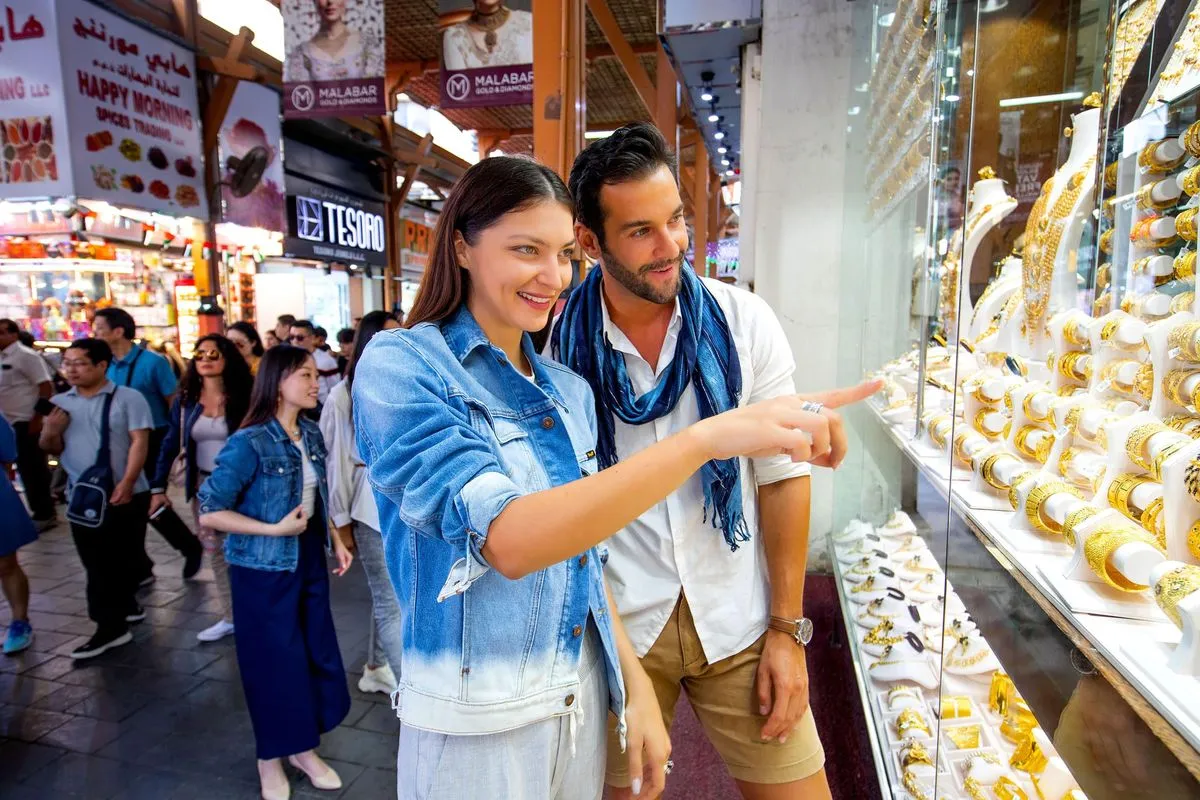
Sharjah is known for its traditional souks and larger bridal collections, while Abu Dhabi offers a more modern shopping-mall experience alongside older markets. If you love jewelry, they're worth exploring too.
Common Questions
Is gold really cheaper in Dubai?
Often, it can be, mainly because of lower taxes and strong competition among shops, but it depends on the exchange rate, the day's gold price, and making charges. Always compare with prices at home.
Is it safe to buy gold at the souk?
The market is regulated, well-lit, and busy, with security around. Stick to established shops, insist on proper invoices, and you should be fine.
Can I bargain on the gold rate?
The gold rate itself is usually fixed. Negotiation happens on the making charges and sometimes on the final total.
Do shops accept cards?
Most do, but some prefer cash or may offer a small discount for it. Ask before you shop.
Can I sell or exchange gold later?
Many shops allow it, usually at the day's gold rate minus deductions. Confirm the policy in writing when you buy.