Received a DEWA bill that is much higher than last month? Before assuming there is a billing error, check the individual charges and your recent electricity and water consumption.
A higher bill can have several explanations. Air conditioning may be running for longer, water consumption may have increased, a leak may be present, or your bill may include housing fees and other charges in addition to electricity and water.
The good news is that you can investigate the main possibilities systematically. This guide explains what to check first, how to identify unusual consumption and when to request help from DEWA.
1. Compare Your Latest Bill With Previous Months
Start by comparing your latest bill with the previous two or three bills.
Do not compare only the final amount. Check the individual figures for:
-
Electricity consumption
-
Water consumption
-
Electricity and water charges
-
Housing fees and other municipal charges
-
Cooling charges, if shown
-
VAT and other applicable items
-
Previous balances or adjustments
Look at the consumption figures and billing period as well as the amount payable. A longer billing period or an adjustment can make two bills difficult to compare directly.
DEWA provides information about bill components through its official billing and payment information.
2. Check Whether Your Air Conditioning Is Using More Electricity
Air conditioning can be an important part of household electricity use in Dubai, particularly during hot weather.
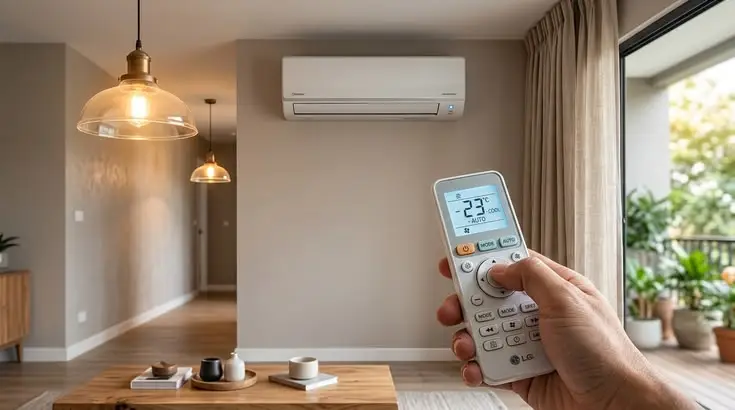
Check whether your AC has been running for longer than usual, whether the thermostat setting has changed or whether the apartment is taking longer to cool.
You can take these practical steps:
-
Use a reasonable thermostat setting suited to your comfort.
-
Keep doors and windows closed while the AC is running.
-
Clean user-accessible filters according to the manufacturer's instructions.
-
Keep vents unobstructed.
-
Check for unusual noises, poor cooling or continuous operation.
-
Ask the landlord or authorised maintenance provider to investigate equipment problems.
Do not open electrical equipment or attempt technical repairs yourself. If the AC appears faulty, arrange a qualified inspection.
3. Investigate Unusually High Water Consumption
A water leak can increase consumption even if you have not changed your daily routine.
Check for signs such as:
-
A toilet that continues running after flushing
-
Dripping taps
-
Damp patches or unexplained water near plumbing
-
A visible leak under the sink
-
A sudden increase in water consumption without an obvious reason
If you find a leak, notify the landlord or building maintenance team promptly, particularly if the source may involve building plumbing.
DEWA also provides a Smart Response water service for reporting certain water-related technical incidents. Use the relevant official channel if you suspect a supply or technical issue.
4. Understand the Charges on Your DEWA Bill
The total payable amount may include more than electricity and water consumption.
Depending on your account and building arrangement, the bill may include Dubai Municipality housing fees, sewerage or irrigation charges, cooling charges from a separate provider, VAT on applicable items, or previous balances.
DEWA explains that housing fees are divided into monthly instalments over 12 months. Therefore, the total bill may not represent electricity and water usage alone.
If a charge looks unfamiliar, identify its description and contact the relevant provider for an explanation rather than assuming it is an error.
Official reference: DEWA bill payment information.
5. Check How Electricity and Water Tariffs Work
DEWA applies a slab tariff structure under which the unit rate increases across higher monthly consumption bands. Fuel surcharges and applicable VAT may also affect the consumption charges.
This means that a rise in usage can affect your bill in more than one way: you may consume more units, and some units may fall into a higher tariff band.
To understand the current rates, check DEWA's official slab tariff page. Rates and surcharges can change, so use the current published information rather than an old online example.
6. Check for Estimated Readings or Billing Adjustments
If your latest bill seems unusually high, review the consumption history and any billing notes.
DEWA explains that in exceptional situations where an actual meter reading is unavailable, consumption may be estimated based on the property's consumption pattern. A later actual reading can lead to an adjustment.
If you suspect an estimated reading, unexpected adjustment or unusual consumption figure, ask DEWA to explain the relevant entry and how the amount was calculated.
Do not assume every higher bill is caused by a meter fault. First compare the bill details and follow the official verification process.
7. What to Do If Your DEWA Bill Is Still Unusually High
If you cannot explain the increase after checking the bill, use this process.
Step 1: Record the change. Keep the latest bill and previous bills so you can compare consumption and charges.
Step 2: Check the property. Look for running toilets, visible leaks, unusual AC operation and other possible sources of higher usage.
Step 3: Contact DEWA. Ask for clarification of the consumption figures or charges that appear unusual.
Step 4: Request consumption verification. DEWA provides a consumption-verification service for electricity and water. Its official FAQ describes options including self-diagnosis and scheduling a call with a DEWA agent. An onsite visit may involve a fee depending on the circumstances.
Step 5: Contact the right maintenance provider. If the evidence points to an internal leak or faulty apartment equipment, notify the landlord or building maintenance team.
You can start through DEWA's official website or the DEWA Smart App.
8. Practical Ways to Manage Future Bills
Once you understand what caused the increase, make changes that address the actual problem.
-
Monitor electricity and water consumption regularly.
-
Avoid unnecessary AC operation and keep filters maintained.
-
Repair leaking taps and running toilets promptly.
-
Review the bill breakdown instead of tracking only the total.
-
Check the current tariff information when comparing bills.
-
Report unusual consumption or technical issues through official channels.
Small changes may help, but persistent increases should be investigated rather than treated as normal.
How to Find a Suitable Maintenance Provider in Dubai
If your checks suggest an AC fault, plumbing leak or another apartment maintenance problem, confirm who is responsible for the repair under your tenancy agreement.
Where you are authorised to arrange the work, compare service providers based on their relevant experience, written quotations, scope of work and customer feedback.
You can explore relevant local businesses through AddressGuru UAE. Confirm the provider's services, charges and availability before authorising any repair.
Conclusion
An unusually high DEWA bill can be worrying, but comparing previous bills, checking consumption, reviewing additional charges and investigating possible leaks can help you identify the cause.
If the figures still do not make sense, request an explanation or consumption verification from DEWA. Resolving the underlying issue is more effective than making assumptions about why the bill increased.