

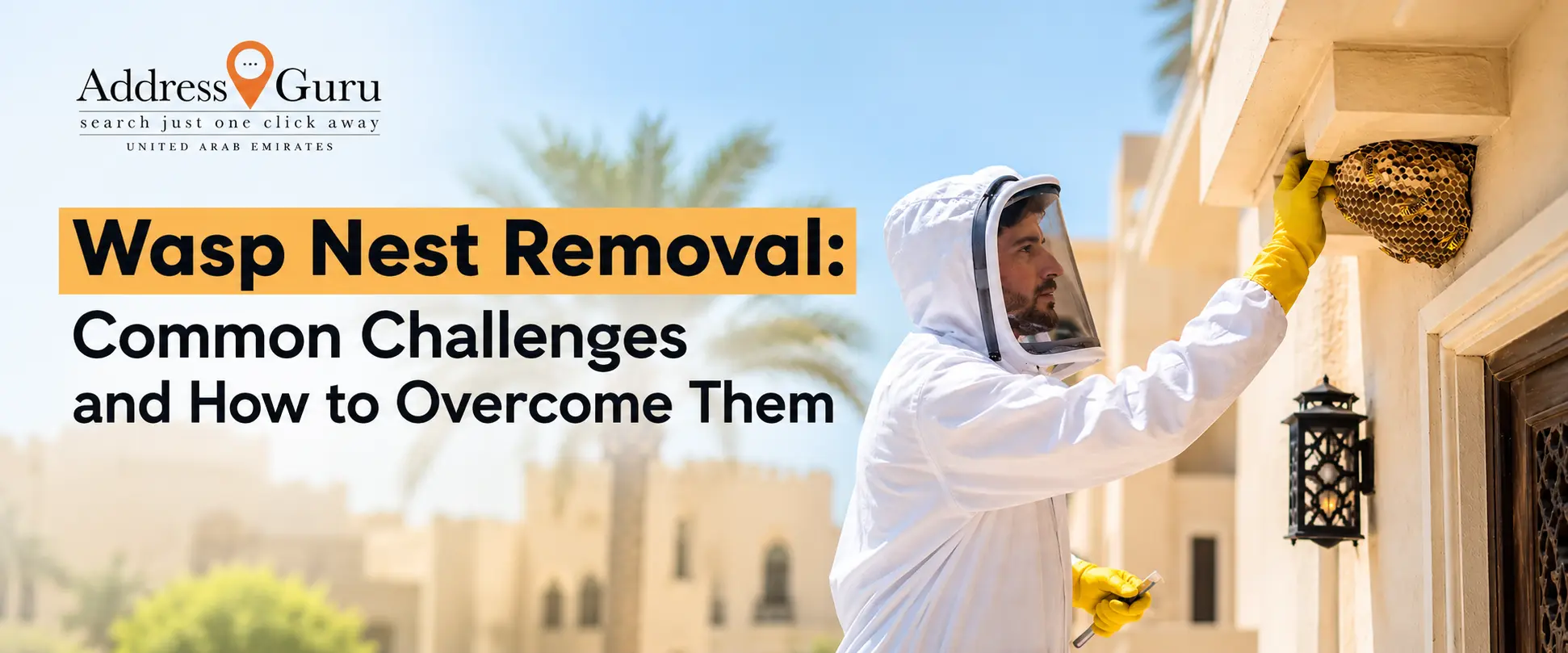
Running a wasp nest removal business requires more than simply removing nests. Business owners have to manage safety, difficult locations, customer expectations, pricing, technician skills, equipment, and emergency requests.
The right approach is to identify the problems that affect service quality and fix them systematically.
1. Common Challenges in Wasp Nest Removal
|
Challenge |
Why It Is Difficult |
Practical Solution |
|
Difficult nest locations |
Nests may be high, hidden, or hard to access |
Inspect the location carefully before starting |
|
Aggressive wasps |
Poor handling can create safety risks |
Use trained technicians and appropriate protective equipment |
|
Emergency requests |
Customers often want immediate help |
Keep a clear emergency-response process |
|
Customer expectations |
Customers may expect instant results |
Explain the treatment and expected outcome clearly |
|
Repeat activity |
Wasps may return or another nest may be present |
Inspect the surrounding area and identify possible causes |
|
Pricing |
Every job can have different requirements |
Price according to access, complexity, and risk |
|
Technician safety |
Some locations create additional hazards |
Carry out a proper risk assessment before work |
2. Improve Your Inspection Process
A proper inspection should happen before every wasp nest removal job.
Check:
-
Where the nest is located
-
How high or difficult it is to access
-
Whether people or pets are nearby
-
Possible entry and exit points
-
Whether additional nests are present
-
Equipment required for the job
-
Any access or property restrictions
A rushed inspection can result in incorrect pricing, inadequate equipment, or unnecessary safety risks.
3. Handle Difficult Nest Locations
One of the biggest challenges in wasp nest removal is dealing with nests in locations that are difficult to reach.
|
Location |
Business Consideration |
|
Roof spaces |
Check access before quoting |
|
Wall cavities |
Determine whether the nest can be safely accessed |
|
Trees |
Consider height and surrounding obstacles |
|
Balconies |
Protect nearby occupants and property |
|
Garages |
Check access and customer belongings |
|
High structures |
Assess whether specialist access equipment is required |
Do not accept a job based only on a customer's description. When possible, obtain photographs or inspect the site before confirming the final approach.
4. Train Technicians Properly
Technicians should understand both the technical and operational side of wasp nest removal.
|
Training Area |
What Technicians Should Know |
|
Identification |
Recognize common wasp species and nest types |
|
Risk assessment |
Identify hazards before starting |
|
PPE |
Use appropriate protective equipment |
|
Equipment |
Know how to use and maintain equipment |
|
Customer communication |
Explain the process clearly |
|
Site management |
Keep customers and others away from the work area |
|
Documentation |
Record treatment details and observations |
Training should be refreshed regularly rather than being treated as a one-time requirement.
5. Make Customer Communication Clear
Customers contacting wasp control services are often worried about safety, particularly when nests are close to entrances, balconies, gardens, or areas used by children.
Before the appointment, explain:
-
What the inspection involves
-
What information the technician needs
-
Any access requirements
-
How long the visit may take
-
What follow-up may be required
Clear communication can prevent misunderstandings and reduce complaints.
6. Help Customers Understand the Process
Many customers search online for ways to get rid of wasp nest problems themselves. Business owners should understand that customers may arrive with expectations based on videos, social media, or quick DIY solutions.
Instead of making unrealistic promises, explain why professional assessment may be necessary.
For example:
|
Customer Concern |
Better Business Response |
|
"Can you remove it immediately?" |
Explain the inspection and treatment process |
|
"Will the wasps disappear instantly?" |
Explain realistic treatment expectations |
|
"Can I stay nearby?" |
Explain the required safety distance |
|
"Why does the price vary?" |
Explain access, complexity, and equipment requirements |
The goal is to make the customer understand the service rather than simply trying to close the booking.
7. Price Jobs According to the Actual Work
A fixed price for every wasp nest removal job can create problems because jobs can vary significantly.
Consider:
-
Nest location
-
Accessibility
-
Height
-
Required equipment
-
Technician time
-
Travel
-
Property conditions
-
Follow-up requirements
Your quotation should clearly explain what is included.
Avoid extremely low pricing simply to win enquiries. If the price does not cover labour, transport, equipment, insurance, administration, and other operating costs, increasing the number of jobs will not necessarily increase profit.
8. Build a Reliable Emergency Response System
Wasp problems can sometimes become urgent when nests are close to frequently used areas.
If your business offers emergency wasp control services, create a clear process:
Customer enquiry → Location details → Initial assessment → Technician availability → Quotation → Appointment → Service record
Keep important information ready so staff can quickly understand the situation and decide what information the technician needs.
9. Reduce Repeat Problems
A customer may contact you again if wasp activity continues after a service.
Instead of immediately treating the problem again, review:
-
Previous nest location
-
Treatment date
-
Customer observations
-
Whether another nest is present
-
Possible entry points
-
Changes around the property
This helps your business determine whether additional action is genuinely required.
It also improves the quality of your wasp nest removal service because technicians can learn from previous jobs.
10. Common Business Mistakes
|
Mistake |
Why It Can Hurt the Business |
|
Quoting without enough information |
Unexpected job costs |
|
Ignoring difficult access |
Safety and scheduling problems |
|
Poor technician training |
Inconsistent service |
|
Making unrealistic promises |
Customer complaints |
|
Using the same price for every job |
Weak profit margins |
|
Not recording service details |
Difficult follow-up |
|
Ignoring customer questions |
Lower trust |
|
Failing to review repeat calls |
Missed operational problems |
Businesses offering wasp control services should regularly review these areas instead of waiting until a serious complaint occurs.
11. A Simple Improvement Plan
|
Week |
Business Focus |
Action |
|
Week 1 |
Inspection |
Create a standard inspection checklist |
|
Week 2 |
Technicians |
Review training, safety, and equipment |
|
Week 3 |
Pricing |
Check job costs and quotation accuracy |
|
Week 4 |
Customers |
Review complaints, feedback, and repeat calls |
This makes it easier to identify which changes are actually improving the business.
Final Takeaway
A successful wasp nest removal business needs strong safety procedures, trained technicians, accurate pricing, clear communication, and reliable scheduling. Business owners should also understand that every job can be different, so inspections and proper records are important.
Customers searching for ways to get rid of wasp nest problems are usually looking for a quick and reliable solution. Businesses offering professional wasp control services can build stronger customer relationships by setting realistic expectations, explaining the process clearly, and delivering consistent service.