
Getting a customer to purchase their first bicycle is only the beginning of the relationship.
After investing time in local marketing, answering questions, helping customers choose the right bicycle, and completing the sale, many bicycle stores make one common mistake: they stop communicating with the customer once the bike leaves the shop.
That can mean missing opportunities for servicing, repairs, accessories, upgrades, and future purchases.
For an independent bicycle retailer, existing customers can be one of the most valuable sources of long-term revenue. They already know your store, have experienced your service, and are more familiar with your products.
So, how can you retain bicycle store customers and turn occasional buyers into loyal riders? Here are six practical strategies to increase repeat customers at your bicycle store.
1. Build a Strong After-Sales Service and Reminder System
A bicycle purchase should not be the end of the customer relationship. Bicycles require regular maintenance. Brakes need checking, tyres wear out, chains need cleaning or replacement, and components may eventually require adjustment or servicing.
This creates a natural opportunity for bicycle stores to stay connected with customers.
The problem is that customers may forget when their bicycle needs attention. A simple bicycle service reminder system can solve this problem.
How to implement it:
-
Send customers maintenance reminders by email, SMS, or WhatsApp with their permission.
-
Record the date of each bicycle purchase or service.
-
Remind customers about recommended inspections or routine maintenance.
-
Make service booking simple through your website, phone, or messaging platform.
-
Explain service costs clearly before beginning the work.
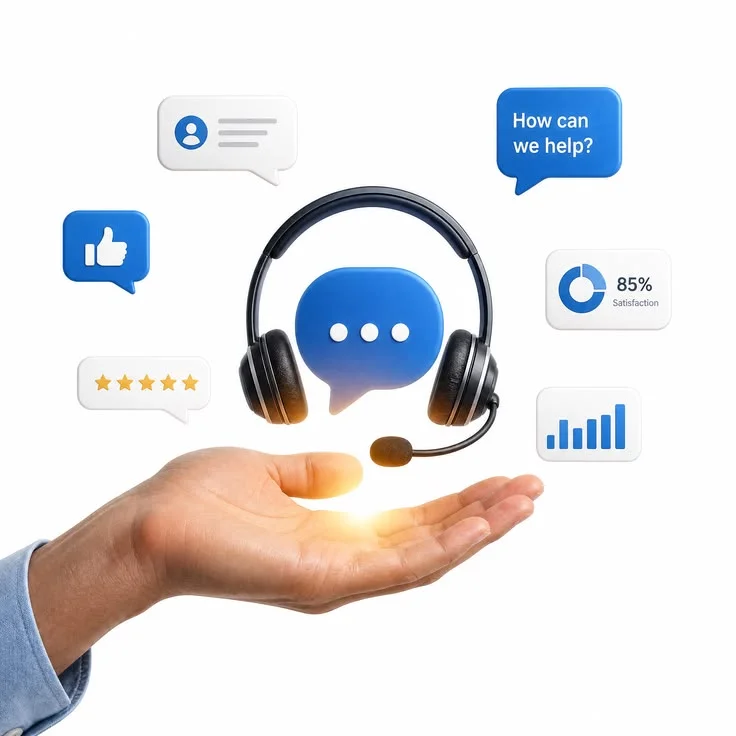
For example, instead of waiting for a customer to return when something goes wrong, send a friendly reminder several months after their purchase asking whether the bicycle is performing well and whether they would like a safety check.
Proactive service shows customers that your store cares about their riding experience, not just the original sale.
2. Create a Simple Loyalty Programme
Customers have many reasons to return to a bicycle store after purchasing a bike. They may need lights, helmets, bottles, locks, cleaning products, tyres, clothing, replacement parts, or other accessories.
A loyalty programme can give them an additional reason to purchase these products from you. Your programme does not need to be complicated or expensive to operate.
How to implement it:
-
Give customers points for eligible purchases.
-
Offer a small reward after reaching a specific spending level.
-
Provide members with selected service benefits.
-
Give loyal customers early access to selected promotions.
-
Offer birthday or membership rewards where appropriate.
You could also create different membership levels based on customer activity. However, keep the system easy to understand.
The objective is not to give away large discounts. It is to make returning to your store feel rewarding.
3. Turn Your Store Into a Cycling Community Hub
People do not always return to businesses because of products or prices. They also return because of experiences.
Cycling naturally creates opportunities for community building. Riders enjoy discovering routes, discussing equipment, improving their skills, and meeting people who share their interests. Your bicycle store can become a place where these interactions happen.
How to implement it:
-
Organise beginner-friendly group rides.
-
Host basic bicycle maintenance workshops.
-
Hold product demonstration evenings.
-
Invite local riders to share cycling tips.
-
Create a regular community meetup.
-
Collaborate with relevant local cycling groups.
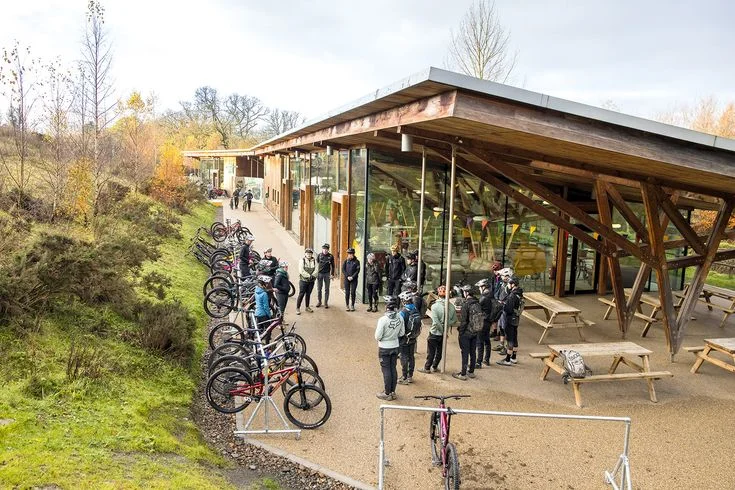 You do not need to organise large events every week. Even a small monthly activity can help customers associate your store with positive experiences.
4. Use Customer Data to Personalise Follow-Ups
Many bicycle stores have valuable customer information but do not use it effectively. Think about what you could know about a customer: the bicycle they purchased, its size, the type of riding they do, the accessories they bought, and when they last visited your workshop.
With a basic customer relationship management system or point-of-sale system, you can organise this information and use it to provide more relevant communication.
How to implement it:
Record useful information such as:
-
Purchase history.
-
Bicycle type and model.
-
Frame size.
-
Previous services.
-
Frequently purchased accessories.
-
Customer preferences.
Then use this information to make your follow-ups more personal.
For example, a customer who purchased a commuter bicycle may be interested in practical accessories and regular maintenance. A road cyclist may be more interested in performance components or servicing.
Personalised recommendations are more useful than sending the same promotional message to every customer.
5. Give Customers Reasons to Return
Sometimes customers do not return simply because your store does not offer what they need next.
You do not need to stock every possible cycling product. Instead, focus on products and services that are relevant to your existing customer base.
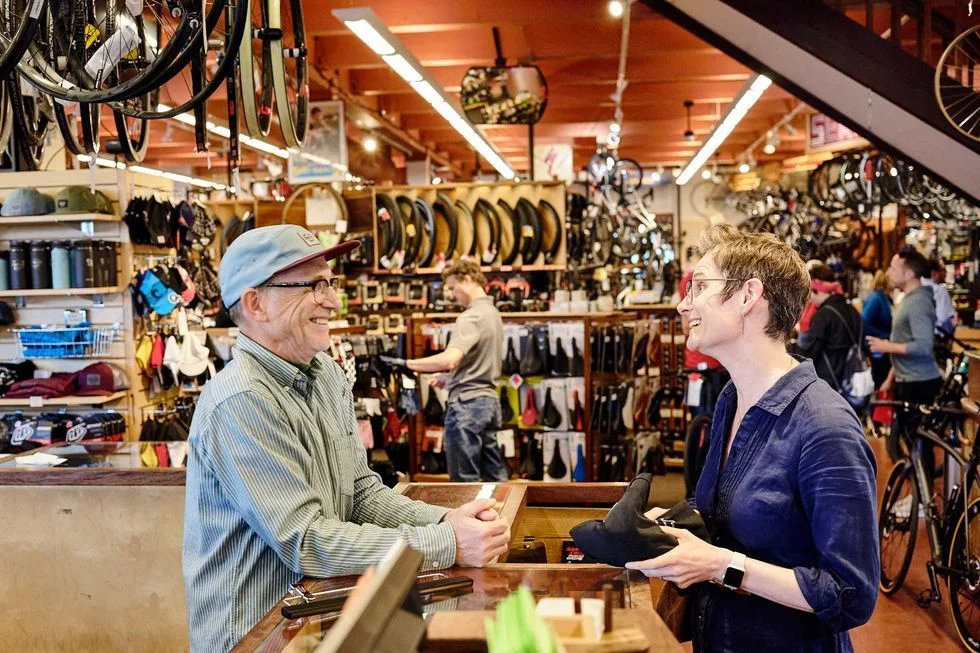 For example, you might offer:
-
Bicycle cleaning products.
-
Lights and safety accessories.
-
Helmets and locks.
-
Replacement tubes and tyres.
-
Maintenance tools.
-
Cycling bottles and bags.
-
Bike fitting or adjustment services.
-
Customisation and upgrade services.
A carefully selected accessory range can create additional reasons for customers to visit while reducing the temptation to purchase every small item elsewhere.
6. Make Every Customer Interaction Personal
Technology can make retail more efficient, but personal service remains an important advantage for independent bicycle stores. A customer who feels remembered and valued is more likely to develop a stronger relationship with the business.
Train your staff to pay attention to returning customers. Remembering a customer's name, bicycle type, riding preferences, or previous service can make a simple interaction feel much more personal.
How to implement it:
-
Greet returning customers warmly.
-
Keep useful customer notes in your system.
-
Ask about their experience with previous purchases.
-
Follow up after significant repairs or purchases.
-
Recommend products based on their actual needs.
-
Avoid pushing products that the customer does not need.
For example, instead of immediately trying to sell a new accessory, a staff member could ask, “How has your bicycle been performing since the last service?”
How to Get Repeat Retail Customers Without Constant Discounts
Discounts can attract attention, but they should not be the foundation of your retention strategy.
Customers are more likely to return when they receive consistent value through reliable service, useful advice, convenient maintenance, relevant products, and positive experiences.
A bicycle store can therefore improve retention by focusing on the entire customer journey:
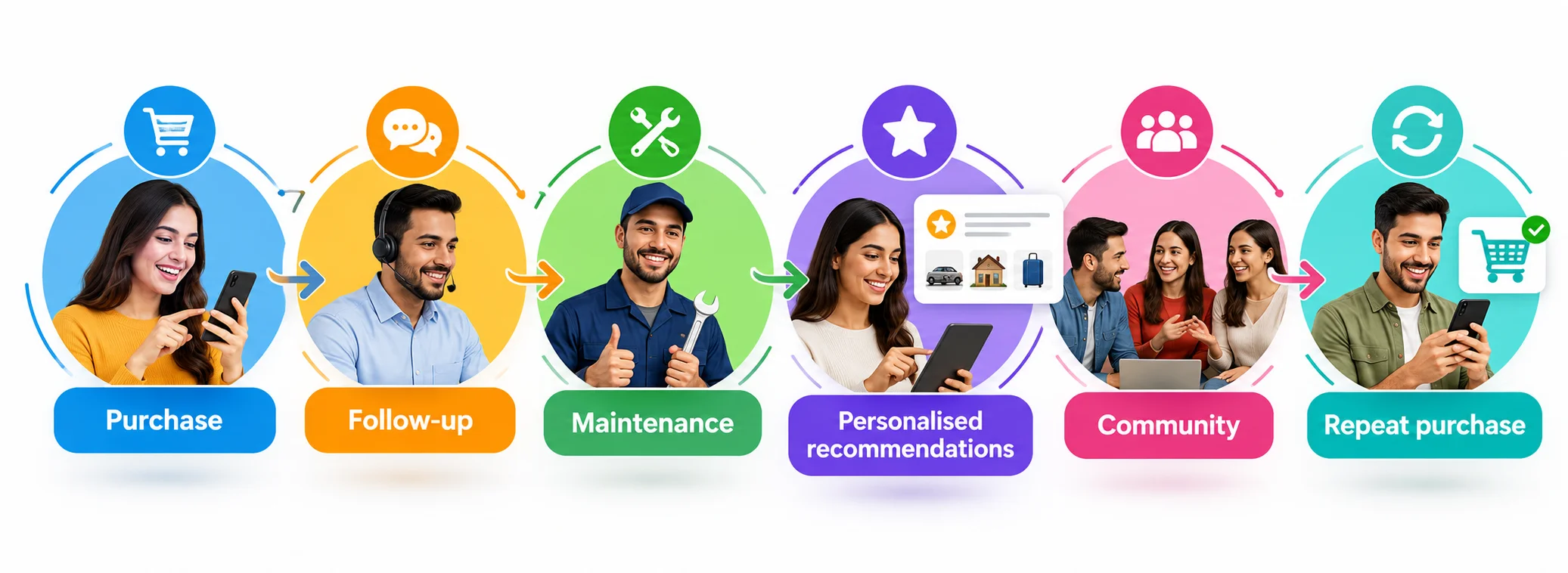
Each stage creates an opportunity to strengthen the relationship. Instead of asking, “How can we sell this customer something else?” ask, “What does this customer need next?”
Final Thoughts
Increasing repeat customers is not about constantly offering bigger discounts or sending more promotional messages. It is about giving people genuine reasons to return.
Start by creating a reliable bicycle service reminder system. Use customer information to personalise follow-ups, stock products that existing riders actually need, and make every interaction feel helpful rather than transactional.
The goal is to move beyond one-time bicycle sales and build lasting customer relationships.