

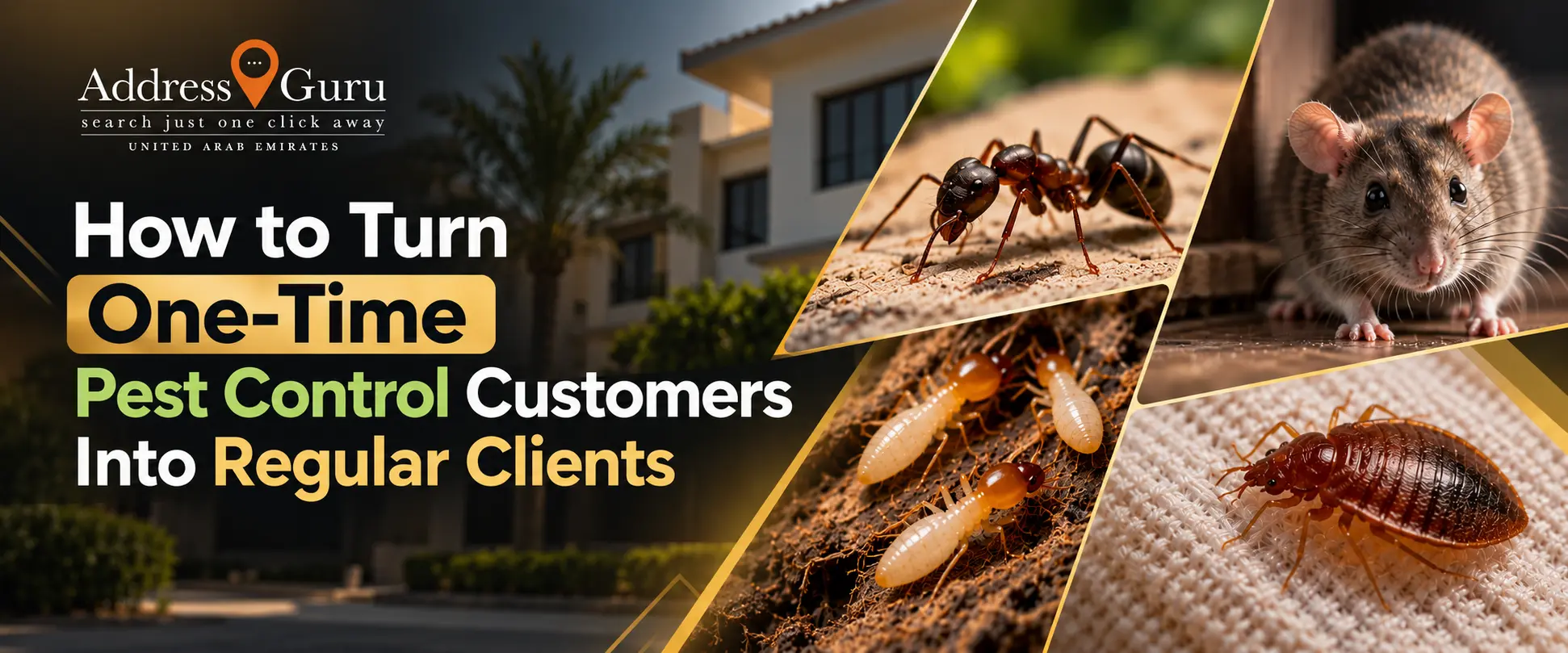
Getting a customer once is useful, but turning that customer into a regular client creates more stable revenue. For a pest control business, retention usually comes from solving the customer's actual problem, communicating clearly, and knowing when preventive service makes sense.
Different pests create different customer problems. Business owners should therefore avoid using the same retention strategy for every customer.
1. Understand Why Customers Call You
|
Pest Problem |
What the Customer Usually Wants |
Retention Opportunity |
|
Bed bugs |
Quick relief and confidence that the infestation is controlled |
Follow-up inspection and preventive advice |
|
Termites |
Protection from property damage |
Periodic inspection and monitoring |
|
Ants |
Stop recurring activity |
Identify entry points and contributing conditions |
|
Rodents |
Remove the immediate problem and prevent return |
Inspection, exclusion and monitoring |
A pest control company can improve retention by treating the cause of the problem rather than simply completing the first job.
2. Bed Bugs treatment: Solve the Anxiety, Not Just the Infestation
Bed bugs can be particularly stressful because customers may worry about bites, sleeping conditions, and whether the infestation will return.
|
Customer Problem |
What the Business Should Do |
|
Customer sees bed bugs again |
Ask when and where they were noticed |
|
Customer is unsure about preparation |
Give clear preparation instructions |
|
Customer expects instant results |
Explain the treatment and follow-up process |
|
Customer fears reinfestation |
Explain practical prevention measures |
|
Customer has repeated activity |
Review the previous service before recommending another treatment |
A good pest control business should document the treatment and communicate what the customer should expect afterward. This makes follow-up more useful and builds trust.
3. Termite treatment: Focus on Long-Term Property Protection
Termite customers are different because the concern is often potential property damage rather than a single visible pest.
With termite treatment, business owners can create stronger long-term relationships by offering appropriate inspection and monitoring options.
|
Customer Concern |
Retention Approach |
|
Signs of termite activity |
Record affected areas |
|
Concern about future damage |
Explain inspection requirements |
|
Previous treatment |
Maintain service history |
|
Recurring activity |
Reinspect and identify possible causes |
|
Property owner wants ongoing protection |
Offer suitable monitoring where appropriate |
The key is to explain why follow-up may be necessary rather than simply selling another service.
4. Ants: Find Why They Keep Coming Back
Ant problems can become frustrating when customers see activity again shortly after treatment.
Ant pest control should therefore involve more than treating visible ants.
|
Problem |
Business Response |
|
Ants repeatedly appear indoors |
Look for possible entry points |
|
Food attracts ants |
Discuss practical sanitation measures |
|
Activity returns |
Check whether the source has been addressed |
|
Customer treats only visible areas |
Explain why the wider problem may need assessment |
When a pest control technician helps customers understand why the problem is recurring, the service becomes more valuable than a one-time treatment.
5. Rodents: Retention Comes From Prevention
Rodent customers usually want two things: the current problem handled and a lower chance of it happening again.
With rodent pest control, technicians should pay attention to possible entry points, food sources, shelter, and signs of activity.
|
Customer Problem |
Useful Business Action |
|
Droppings or signs of activity |
Inspect affected areas |
|
Possible entry points |
Identify areas requiring attention |
|
Food sources |
Recommend practical storage measures |
|
Repeated sightings |
Review previous findings |
|
Customer wants ongoing protection |
Discuss suitable monitoring |
This approach gives the customer a reason to contact the same company again instead of searching for another provider.
6. Turn Service Quality Into Customer Retention
A customer is more likely to return when the entire experience is reliable.
|
Stage |
What Good Service Looks Like |
|
Enquiry |
Quick and professional response |
|
Quotation |
Clear pricing and service details |
|
Visit |
Technician arrives as agreed |
|
Treatment |
Professional and properly documented |
|
Follow-up |
Relevant communication after service |
|
Future need |
Helpful reminder when appropriate |
For a pest control business, retention should come from genuine customer value rather than unnecessary repeat bookings.
7. Create a Simple Customer Retention System
You do not need a complicated CRM process.
|
Customer Type |
What to Record |
|
Bed bug customer |
Treatment date, affected areas, follow-up |
|
Termite customer |
Inspection findings and treatment history |
|
Ant customer |
Recurring locations and possible causes |
|
Rodent customer |
Activity signs and property observations |
This information allows technicians to understand the customer's previous problem before the next visit.
8. Avoid These Retention Mistakes
|
Mistake |
What Happens |
|
Treating only visible pests |
The underlying issue may remain |
|
No follow-up |
Customer may feel forgotten |
|
Poor service records |
Next technician lacks useful history |
|
Overpromising results |
Creates dissatisfaction |
|
Pushing unnecessary services |
Damages trust |
|
Ignoring recurring problems |
Customer looks for another provider |
The strongest pest control businesses retain customers by becoming useful when the problem returns—not by forcing customers into services they do not need.
Final Takeaway
One-time customers can become regular clients when businesses solve the actual problem behind the pest activity. Bed bugs treatment, termite treatment, ant pest control, and rodent pest control all require different approaches.
The goal of a successful pest control business should be simple: solve the immediate problem, explain what caused it, document the service, and provide useful follow-up when needed. That creates trust and trust is what brings customers back.