


You reach home, step into your office or enter your hotel. Then you realise your phone is missing. Your wallet is not in your bag. Or the shopping bag you placed beside you never made it out of the taxi.
That sinking feeling is familiar to many travellers and residents. The first few minutes can feel stressful, but there is something important to remember: you should report the loss as soon as possible and provide clear journey details.
Dubai's Roads and Transport Authority (RTA) has an official process for reporting items left in taxis. Here is how to prepare your report and avoid common mistakes.
Step 1: Recall Your Journey Before You Report It
Try not to rely on memory alone. Write down everything you remember about the trip:
-
Approximate date and time.
-
Pickup and drop-off locations.
-
Type or colour of the taxi roof, if remembered.
-
Taxi plate number, if available.
-
Booking reference or trip ID.
-
Fare amount and payment method.
-
A clear description of the missing item.
Even if you cannot remember every detail, provide the information you have. Do not invent details to fill in the gaps.
Step 2: Use the Official Lost-and-Found Process
The reporting steps can depend on how you booked the taxi.
If you booked through S’hail
The RTA's taxi service guidance explains that passengers can open their trip history, select the relevant booking and choose the option to report a lost item. You may be asked to describe the item and provide a photo or supporting document.
If you booked through another channel
The RTA guidance describes reporting through the feedback section and selecting the taxi lost-and-found category. You may need to provide your pickup and drop-off locations, travel date, fare, payment method and other trip details.
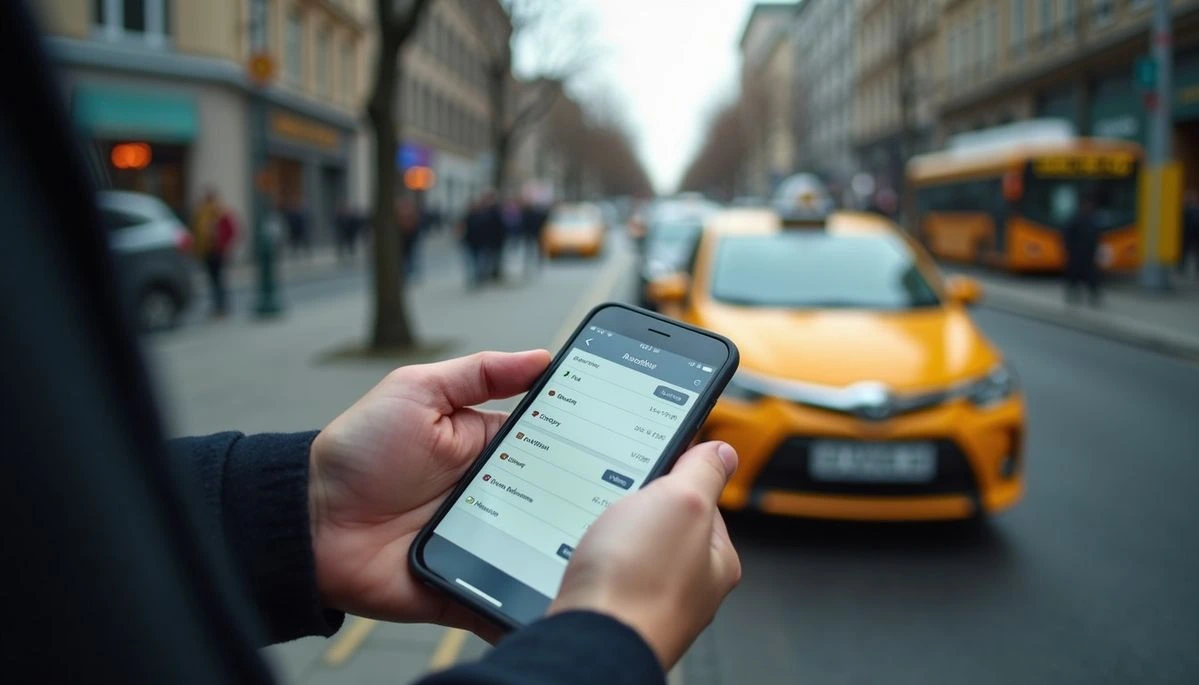
Follow the current instructions in the official service before submitting your report: RTA Taxi Service and Lost-Item Guidance.
Step 3: Describe the Item Clearly
A vague description such as “I lost a black bag” may not be enough to distinguish your item from others.
Instead, include details such as:
-
Brand, colour and approximate size.
-
Case, cover, strap or other distinctive feature.
-
Contents, described only as necessary.
-
Any identifying mark that helps distinguish it.
For a phone, you could mention the model and case colour. For a bag, include its style and a distinctive accessory.
Privacy tip: Do not post your full home address, passwords, banking details or identity-document numbers publicly. Share sensitive information only through appropriate official channels when required.
Step 4: Keep Your Report Reference and Follow Updates
After submitting the report, save any confirmation, reference number or message you receive. Check the official channel for updates and respond promptly if more information is requested.
Recovery is not guaranteed, and the time required can vary. Still, a clear report gives the relevant team better information to investigate the journey.
What If You Lost a Phone or Wallet?
Take a few additional precautions while your report is being processed.

If you lost a phone:
-
Use the device's official location service, if enabled.
-
Lock the device remotely where possible.
-
Contact your mobile provider if you need to suspend the SIM.
-
Secure important accounts if you suspect someone else may access them.
If you lost a wallet or bank card:
-
Contact your bank promptly if a payment card may be at risk.
-
Review recent transactions.
-
Follow your bank's instructions to freeze or replace the card if necessary.
These steps do not replace the taxi lost-and-found report; they help protect you while you try to recover your belongings.
Mistakes to Avoid When Reporting a Lost Item
-
Waiting several days before gathering the trip details.
-
Giving only a vague description of the missing item.
-
Forgetting to include the journey time and locations.
-
Submitting repeated reports with conflicting information.
-
Sharing sensitive personal information in public posts.
Final Takeaway
Losing something in a taxi can turn an ordinary day into a stressful one, but panic will not help you recover it. Gather your journey details, submit a clear report through the official channel and protect any accounts or cards that may be at risk.
The faster and more accurately you report the loss, the easier it is to give the relevant team useful information.