


Starting a logistics business in Dubai can be a strong opportunity, but getting customers is often harder than setting up the company. Businesses already have suppliers they trust, so a new company needs to clearly show what makes its service useful.
The goal isn't simply to advertise everywhere. It is to reach the right businesses, build trust and make it easy for them to request a quotation.
1. Choose a Specific Logistics Niche
Don't promote your logistics business as a company that does "everything."
Decide what you want to be known for, such as:
-
Freight forwarding
-
Air freight
-
Sea freight
-
Road transportation
-
Warehousing
-
Customs clearance
-
E-commerce fulfilment
-
Last-mile delivery
For example, instead of saying "We provide logistics services in Dubai," say:
"Helping Dubai e-commerce businesses manage fulfilment and last-mile delivery."
A specific message is easier for potential customers to understand.
2. Target the Right Businesses
Your ideal customers could include:
|
Customer |
Possible requirement |
|
E-commerce companies |
Fulfilment & delivery |
|
Importers |
Freight & customs |
|
Exporters |
International shipping |
|
Retailers |
Distribution |
|
Manufacturers |
Cargo transportation |
|
Trading companies |
Import/export logistics |
A logistics business becomes easier to market when you know exactly who you want to reach.
3. Build a Website That Answers Questions
Your website should explain your services instead of only talking about your company.
Someone searching for a logistics shipping company may want to know:
-
What do you ship?
-
Which destinations do you cover?
-
Do you offer air or sea freight?
-
Do you provide customs clearance?
-
Do you offer warehousing?
-
How can I request a quotation?
Create separate pages for important services such as air freight, sea freight, warehousing, customs clearance and road transportation.
This also gives your website more opportunities to appear for relevant searches.
4. Focus on Google Search and Maps
Local visibility matters when businesses are looking for logistics providers in Dubai.
Set up and maintain your Google Business Profile with:
-
Correct business information
-
Relevant category
-
Phone number
-
Website
-
Location or service area
-
Business hours
-
Genuine photographs
-
Customer reviews
Your business should also create useful website content around searches such as:
-
Logistics company in Dubai
-
Freight forwarding Dubai
-
Sea freight Dubai
-
Air freight Dubai
-
Customs clearance Dubai
Avoid stuffing keywords into every sentence. Focus on answering the customer's question.
5. Use LinkedIn for B2B Marketing
For a B2B business, LinkedIn can help you reach business owners, procurement managers and operations professionals.
Instead of posting advertisements every day, share useful information such as:
-
Air freight vs sea freight
-
Common shipping mistakes
-
Documents needed for international shipping
-
How to reduce delivery delays
-
How e-commerce businesses can improve fulfilment
-
Questions to ask before choosing a logistics provider
This gives potential customers a reason to follow your company before they are ready to buy.
6. Show How Your Service Works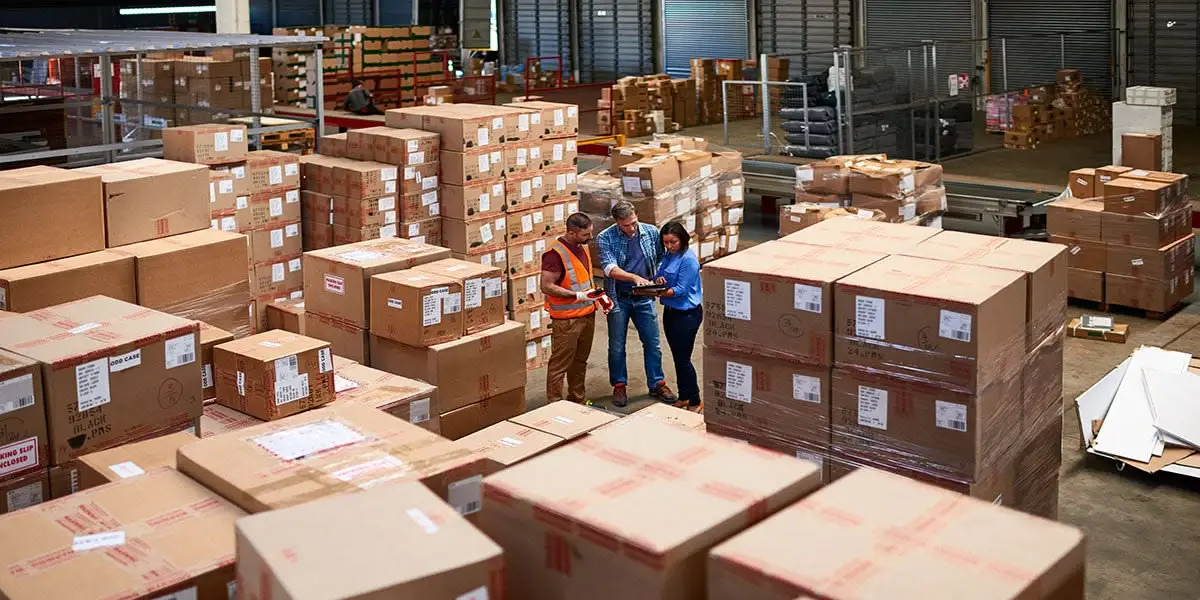
Logistics can seem complicated to customers.
Show the process clearly:
Enquiry → Quotation → Pickup → Documentation → Transportation → Customs → Delivery
You can turn each stage into a short video, infographic or social media post.
For a new logistics shipping company, showing the actual process can build more confidence than simply saying "we provide reliable service."
7. Don't Compete Only on Price
Price matters, but being the cheapest should not be your entire strategy.
Explain what customers receive for the quoted price:
-
Shipping method
-
Included services
-
Estimated timeline
-
Tracking
-
Documentation support
-
Additional charges
-
Delivery arrangements
A logistics business that provides clear quotations can reduce confusion and make customers more comfortable comparing its service with competitors.
8. Build Trust With Real Proof
A new company needs to give potential customers reasons to trust it.
Use genuine:
-
Customer reviews
-
Testimonials
-
Case studies
-
Team information
-
Company photographs
-
Warehouse or vehicle photographs
-
Relevant certifications and registrations
If you have successfully handled shipments for a particular industry, explain that experience.
Don't create exaggerated claims simply to make your logistics business appear larger than it is.
9. Follow Up With Enquiries
Getting an enquiry is only the beginning.
When someone requests a quotation, collect the information needed to understand the shipment:
-
Pickup location
-
Destination
-
Cargo type
-
Weight
-
Dimensions
-
Number of packages
-
Required delivery date
Then send a clear quotation.
If the customer doesn't respond, follow up politely rather than sending repeated promotional messages.
For example:
"Hi, just checking whether you had a chance to review the quotation. If your shipment details have changed, we can update the quote accordingly."
A simple follow-up can prevent genuine enquiries from being forgotten.
10. Measure What Actually Works
Don't judge your marketing only by followers or views.
Track:
|
Metric |
Purpose |
|
Website enquiries |
Measures interest |
|
Quote requests |
Measures commercial intent |
|
Qualified leads |
Measures lead quality |
|
Bookings |
Measures conversions |
|
Lead source |
Shows which channel works |
|
Repeat customers |
Measures retention |
If LinkedIn produces fewer enquiries but those enquiries become customers, it may be more useful to your logistics business than a channel producing thousands of low-quality clicks.
A Simple 90-Day Plan

Month 1: Build your website, Google Business Profile, service pages and business listings.
Month 2: Start publishing useful LinkedIn posts, shipping guides, FAQs and short educational videos.
Month 3: Test search advertising, LinkedIn outreach, partnerships and industry-specific landing pages.
Then measure the results and put more effort into the channels that generate genuine business enquiries.
Final Thoughts
Promoting a new logistics business in Dubai is not about being visible everywhere. It is about being visible to the right businesses and showing them why they should trust you.
Define your niche, target specific industries, build strong search visibility and use LinkedIn to demonstrate your expertise. Make your quotation process clear, show genuine proof and follow up professionally.
A new logistics business does not need to compete with every provider in Dubai. It needs to become the company that the right customers can easily find, understand and confidently contact.