

Introduction
Online shopping in the UAE keeps growing, and every order needs to be stored, packed and delivered. That makes e-commerce sellers some of the most valuable clients a logistics company in Dubai can have. But online brands are demanding.
They want speed, accuracy, clear tracking and fair prices, and they switch partners quickly when delivery problems hurt their reviews.
Many sellers also run small teams with no logistics experience. They are looking for a partner who can take the whole delivery headache off their hands.
This guide explains what online sellers look for and how you can position your service to win and keep them.
1. Understand the Size of the Opportunity
The numbers show why this market matters. The UAE e-commerce market reached AED 42.2 billion in 2025, up from AED 17.6 billion in 2020. That is a compound annual growth rate of 19% over five years, and the market is forecast to keep growing at around 9.9% a year between 2026 and 2030.
Social commerce, digital wallets, and Buy Now, Pay Later options are also shaping how people shop online. For logistics firms, this is not a short-term trend but a long-term shift in how people across the UAE buy things.
Growth is also strong right now. One recent report found that UAE e-commerce activity rose by 20% since February 2026, driven by mobile shopping and faster delivery networks.
More online orders mean more parcels, more returns and more need for reliable partners. The question is how to make sellers choose you.
2. Know What E-commerce Sellers Really Want
Online brands judge logistics partners on a few simple things. Your sales pitch should answer each one clearly.
Seller Need |
What You Should Offer |
|
Fast delivery |
Same-day and next-day options across key areas |
|
Accuracy |
Correct picking, packing and labelling |
|
Visibility |
Real-time tracking for the seller and the buyer |
|
Payment handling |
Reliable COD collection and quick remittance |
|
Easy returns |
Simple reverse pickup and restocking |
|
Clear costs |
Transparent rates with no hidden fees |
E-commerce brands increasingly put delivery speed and cash-on-delivery reliability first when choosing partners for high-volume shipments.
Ask potential clients about their biggest delivery problems before you pitch. Small sellers in particular value a partner who explains things simply and answers the phone when something goes wrong.
3. Offer Fast Same-Day and Next-Day Options
Shoppers in the UAE are used to quick delivery. Quick commerce, same-day services and large marketplaces are now major drivers of growth. If you can offer same-day delivery in busy areas of Dubai and next-day delivery across the UAE, you immediately become more attractive to online stores.
Be honest about cut-off times. Clear promises, such as “orders received before 12 pm are delivered today”, build more trust than vague claims of speed.
Make sure your team can handle peak periods such as Ramadan, White Friday and the back-to-school season, when order volumes can jump sharply.
Consider tiered options as well, such as express, standard and economy. This lets sellers match the delivery speed to the product and the customer’s budget.
4. Make Last-Mile Delivery Your Strength
The final step to the customer’s door shapes how buyers see the whole brand. Reliable last-mile delivery networks are one of the reasons UAE e-commerce has grown so quickly.
Train drivers to call or message before arrival, handle parcels with care and stay polite even when addresses are unclear. Photo proof of delivery and digital signatures also reduce disputes about missing parcels.
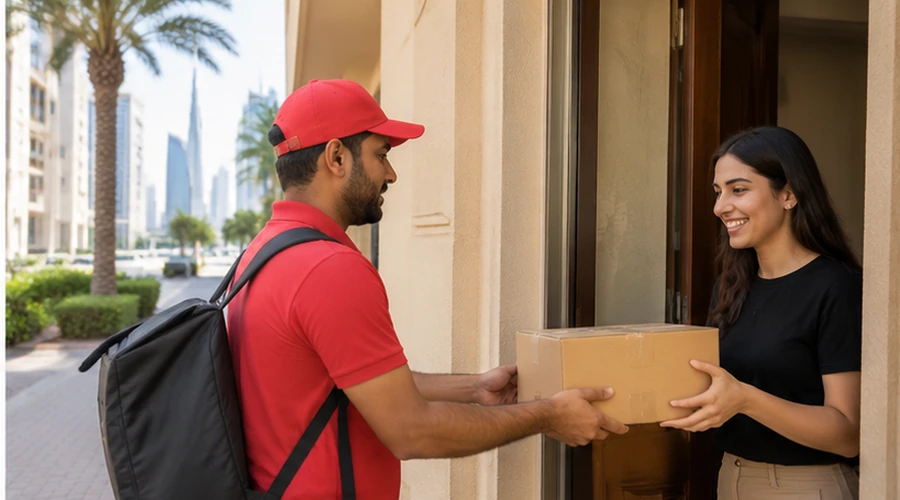
Offer flexible options such as delivery time slots, safe drop points and easy rescheduling. Every failed delivery costs your client money and patience.
Electric bikes and smaller vans can also help drivers move faster in crowded areas and reduce fuel costs.
Track your first-attempt delivery rate closely. It is one of the clearest signs of how well your team is performing on the road.
5. Handle Cash on Delivery Properly
Many UAE shoppers still like to pay at the door, so cash on delivery remains important for online stores, especially new brands. Sellers care about two things here: that the money is collected correctly and that it reaches them quickly.
Slow remittance can hurt a small seller’s cash flow. Train drivers to handle cash safely and give customers a clear receipt every time.
A few simple steps help:
• Offer card payment at the door as well as cash
• Share daily COD reports with each client
• Set and keep clear remittance timelines
• Track refused deliveries and their reasons
Handled well, COD becomes a selling point instead of a source of complaints.
6. Provide Warehousing and Fulfilment
Many online sellers do not want to manage stock themselves. A warehouse in Dubai close to major roads lets you store, pick and pack orders for them.
Full e-commerce logistics support, from receiving stock to shipping orders and processing returns, saves sellers time and space.
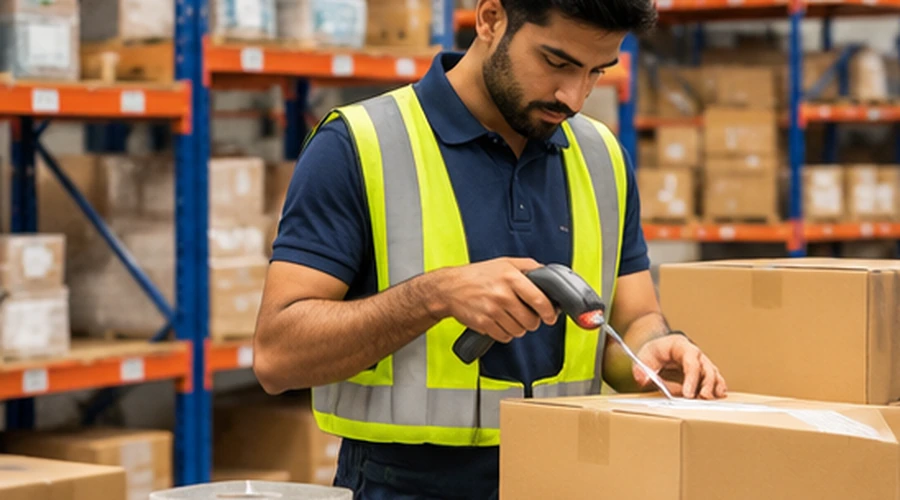
Offer flexible storage plans for small and growing brands. A start-up may only need a few shelves, while a larger brand may need dedicated space.
Location matters too. A site with good access to main roads and the airport can shorten delivery times across the city. Regular stock counts and clear inventory reports help sellers plan restocking and avoid selling items they no longer have.
Some brands also want gift wrapping, custom inserts or branded packaging. Offering these small extras can help you win premium clients.
7. Invest in Technology and Integrations
Today’s sellers run their businesses on platforms such as Shopify, WooCommerce and marketplaces. They want orders to flow into your system automatically.
Offer plug-ins or simple API connections, plus a dashboard where clients can see stock, orders, delivery status and cash on delivery balances in one place.
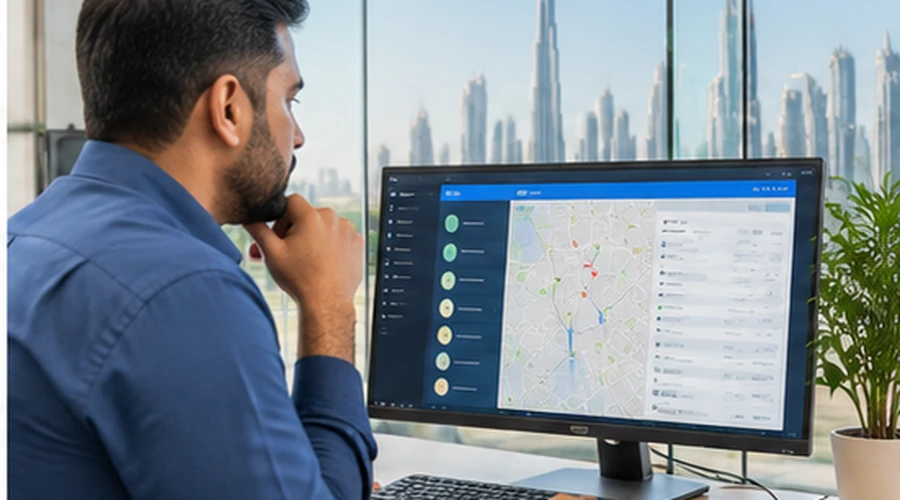
AI and data-driven personalisation are among the trends shaping UAE e-commerce. Using data to predict busy periods and plan routes can also lower your own costs.
Good tech also reduces mistakes. When orders arrive automatically, there is less manual typing and fewer wrong addresses. Route planning tools can also make last-mile delivery faster and cheaper by cutting wasted kilometres.
8. Make Returns Simple
Returns are part of online shopping, especially for fashion and electronics. A smooth process protects your client’s reputation. Offer reverse pickup from the customer’s address, quick quality checks and fast restocking.
Share clear reports so sellers know which items came back and why. Agree on clear return rules with each seller, such as how quickly items are inspected and when damaged goods are reported.
Fast returns also mean faster refunds, which keeps buyers happy and more willing to order again.
9. Price Clearly and Fairly
Small and medium sellers often worry about hidden costs. Simple pricing helps them plan and makes your offer easier to compare.
Show these costs separately:
• Parcel delivery rates by zone
• Storage fees per shelf, pallet or cubic metre
• Pick and pack charges per order
• COD and return handling fees
Offer volume discounts as sellers grow. When your pricing grows with them, they have fewer reasons to leave. Put your main rates in writing and review them with clients every few months as their order volumes change.
A short onboarding guide for new clients also helps them understand your process from day one.
10. Market Your Service Where Sellers Look
Many online sellers search for partners on Google, business directories and social media. Make sure your website clearly explains your services, coverage areas and pricing. Create a dedicated page for your e-commerce logistics services, and highlight the areas where you offer same-day delivery.
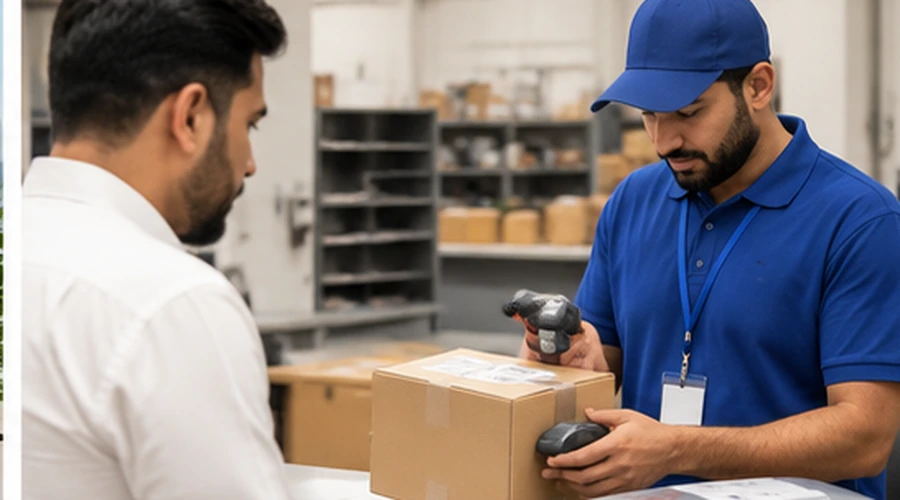
Clear details help sellers decide faster. Share real case studies, such as how you helped a brand cut failed deliveries or speed up its order processing. Real results are more convincing than general promises.
Show real photos of your warehouse in Dubai, your vehicles and your team. It makes your business feel more established and trustworthy. Attend e-commerce events and connect with marketplace seller communities.
A trusted logistics company in Dubai often grows through referrals from satisfied clients. Keep your Google listing and social pages active, with regular updates about new services or coverage areas.
Sellers also compare costs before they choose. Our guide on why international shipping costs differ between companies explains what drives those price gaps.
Quick Action Checklist:
Step |
What to Do |
|
Study the market |
Track e-commerce growth and seller needs |
|
Speed up delivery |
Offer same-day and next-day options |
|
Improve COD handling |
Collect accurately and remit on time |
|
Offer fulfilment |
Provide storage, pick and pack services |
|
Integrate tech |
Connect with store platforms and dashboards |
|
Price clearly |
Publish simple rates with volume discounts |
Conclusion
E-commerce is one of the fastest-growing sources of business for any logistics company in Dubai. Sellers need partners who deliver quickly, handle payments carefully and keep them informed at every step.
Build your offer around their real needs: fast delivery, careful payment handling, smooth returns and good technology.
Keep your promises clear and your pricing simple, and online brands will see you as a partner rather than just a supplier. In a busy market, that trust is what helps a logistics company in Dubai stand out.