

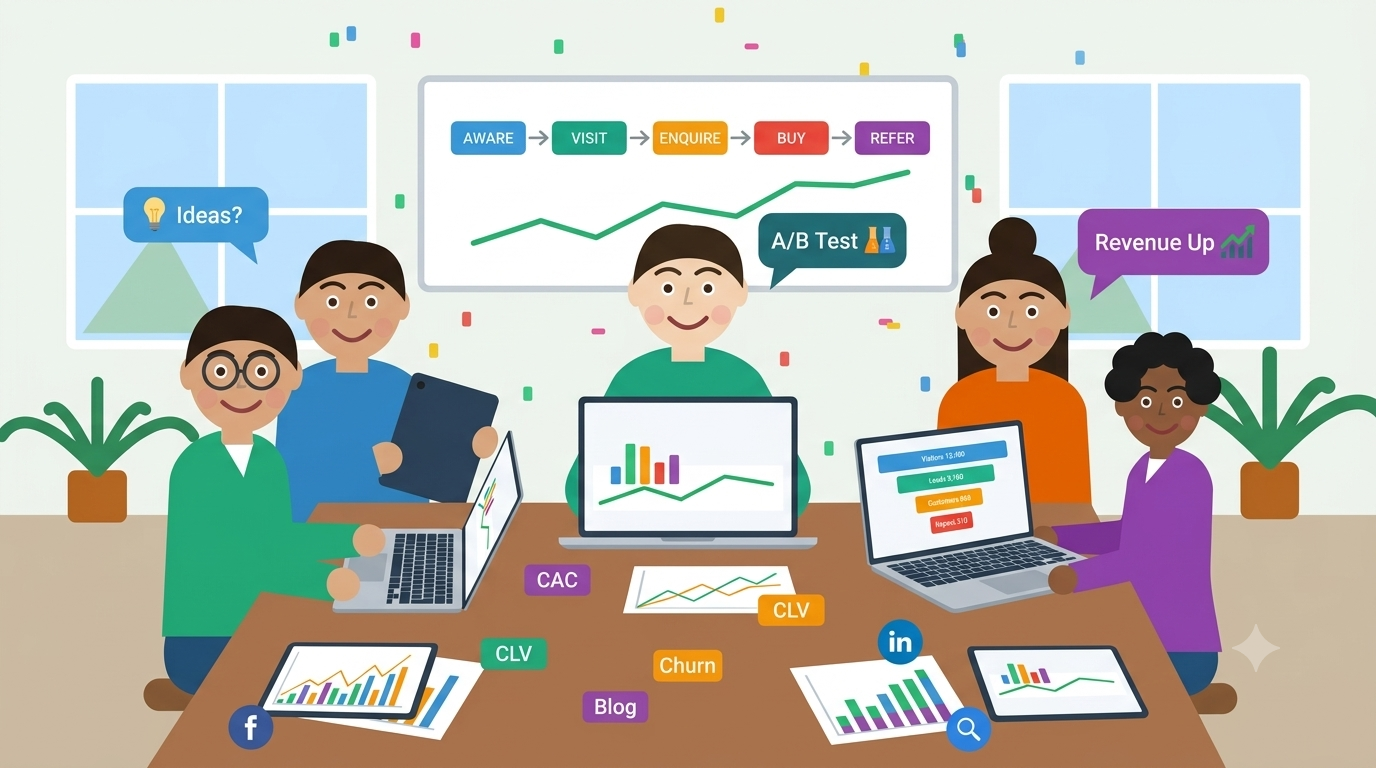
Plenty of businesses don’t struggle because nobody knows them. They struggle because the people who find them don’t become customers. Some visit the website and quietly leave. Some ask a question and never follow up. Some buy once and never come back.
Growth marketing takes a different approach.
Instead of stopping at promotions and brand awareness, it looks at the whole customer journey. It brings together marketing, customer behaviour, data and testing to help a business grow in a way that lasts. So how is it different from traditional marketing, and does your business actually need it?
Let’s take a closer look.
What Is Growth Marketing?
Growth marketing is a data-driven strategy that aims to improve growth at every stage of the customer journey.
Traditional marketing is mostly about getting your product or service seen. Growth marketing cares just as much about what happens next: after someone sees your ad, lands on your website or asks for more information.

Take a high-end skincare brand. Its traditional marketing might focus on winning new customers through Instagram ads, influencer partnerships and special offers. A growth marketing strategy would also ask:
• Which ads are actually bringing in new customers?
• Why are some people leaving the site?
• Which products make customers come back?
• Are they buying more than once?
• Could happy customers recommend the brand to others?
Growth marketing doesn’t end at the sale. It looks for ways to improve the whole business so you can attract, convert and keep customers.
What Does Growth Marketing Actually Do?
It pulls together work that usually sits across marketing, sales and customer service. The main goal is simple: find the places where your business can do better.
1. Attract New Customers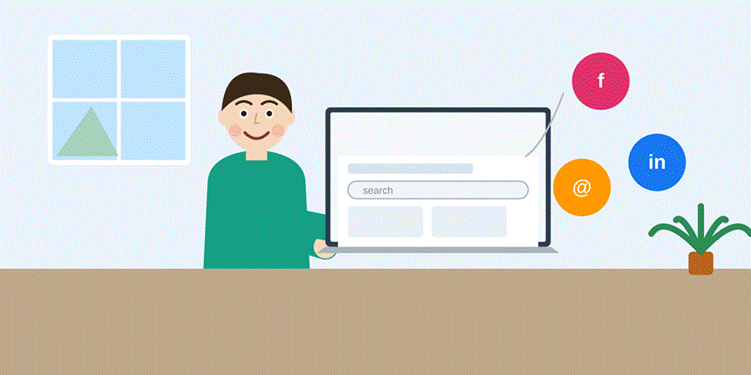
More website traffic is great, but it doesn’t always mean more customers. You might get plenty of visitors and very few enquiries. Growth marketing looks at which channels bring in people who are genuinely likely to convert.
Those channels could include SEO, paid ads, social media, email marketing, partnerships and referrals.
2. Improve Lead Conversion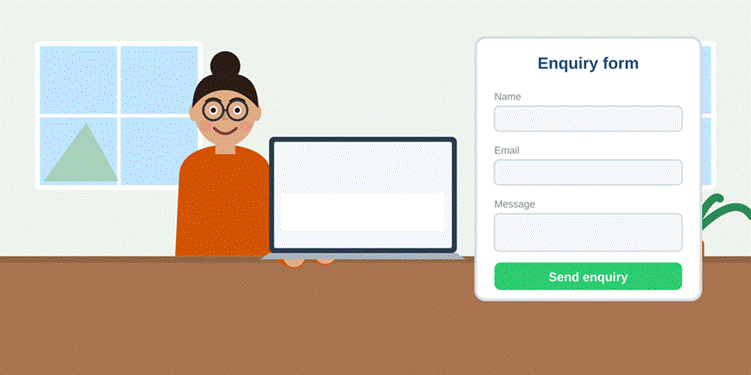
Sometimes people land on your site, read about your services and even start an enquiry form, but never finish. Growth marketers dig into why.
Often it’s something small. The pricing may not be clear, the site might be hard to navigate, the enquiry process could be too long, or nobody replied quickly enough. Fixing these things can lift your conversion rate without spending a penny more on ads.
3. Improve Customer Retention
Winning new customers matters, but keeping the ones you already have is just as valuable. Growth marketing looks at how to strengthen that relationship through personalised messages, helpful content, loyalty schemes, follow-up campaigns and a better overall experience.
If you run a subscription business, that might mean reducing cancellations. If you’re an online retailer, it might mean nudging customers towards a second purchase.
4. Encourage Referrals
Happy customers are one of your best sources of new business. A growth strategy might include referral schemes, customer reviews, review campaigns and small incentives.
The aim is a simple system that makes it easy for existing customers to introduce you to new people.
How Is Growth Marketing Different from Traditional Marketing?
The biggest difference is scope. Traditional marketing tends to focus on campaigns: you run ads, promotions, content or events, then look at how they performed.
Growth marketing uses those same tools, but it also looks at how they affect the business as a whole.
|
Traditional Marketing |
Growth Marketing |
|
Focuses on awareness and promotions |
Focuses on the whole customer journey |
|
Often runs as campaigns |
Constantly tested and improved |
|
Measures reach, impressions and leads |
Measures conversions, retention and revenue |
|
Focuses on winning new customers |
Wins new customers and keeps them |
|
Looks at individual campaigns |
Looks at how the whole business performs |
|
Works to a planned marketing budget |
Shifts investment based on results |
That doesn’t make traditional marketing outdated. Brand awareness, creative work, PR and promotions still matter a great deal. Growth marketing builds on them and ties them to results you can measure. In fact, most strong businesses need both.
Understanding the Growth Marketing Funnel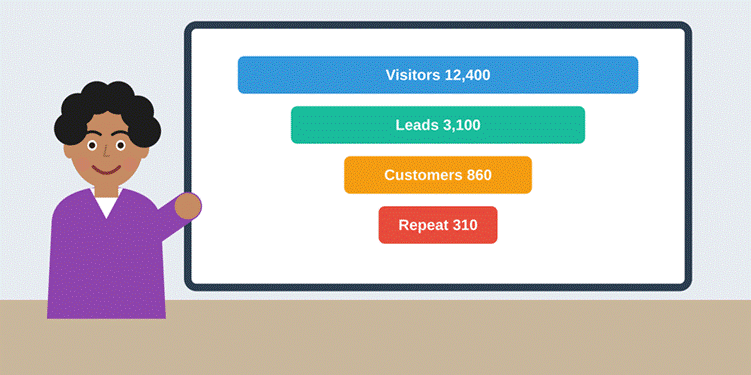
One of the easiest ways to understand growth marketing is the AARRR framework, often called Pirate Metrics. It breaks the customer journey into five stages:
• Acquisition: How are people finding you? Search engines, ads, social media and referrals.

• Activation: What gets a new visitor to take their first real step, such as booking a consultation, creating an account or making a first purchase?
• Retention: Are customers coming back? Look at repeat purchases, engagement and long-term relationships.
• Revenue: How well does customer activity turn into income? Pricing, average order value and subscription revenue all come into play.
• Referral: Are your customers recommending you?
Each stage helps you spot problems and fix them through testing. If you’re getting lots of traffic but very few enquiries, your acquisition may be working well, and it’s your website conversion that needs attention.
Again, growth marketing looks at the whole business.
Data and Testing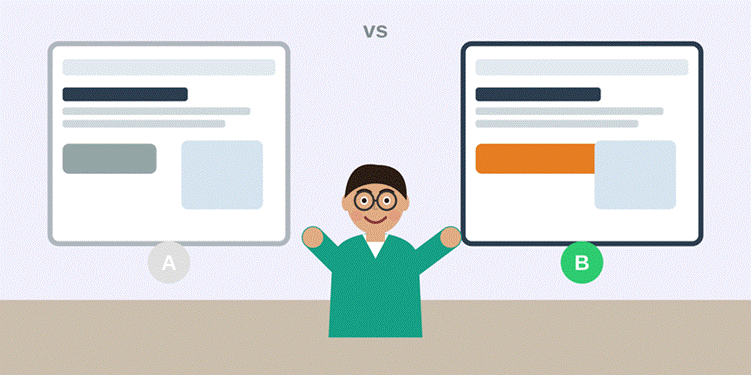
What really sets growth marketing apart from campaign-based marketing is its focus on testing. Rather than guessing what will work for your ads, website or offers, growth marketers try things and see.
Say you run an online furniture shop and want more enquiries. You could test two different headlines on your website, different product page layouts, or the wording of your “book a consultation” button, then see which one performs better.
This is known as A/B testing and conversion rate optimisation. But growth marketing goes further and tests across the whole business. The process usually looks like this:
1. Identify a problem in your business.
2. Come up with a hypothesis.
3. Create an experiment you can test.
4. Analyse the results.
5. Improve or adjust your strategy.
6. Repeat.
Not every test will work, and that’s fine. The real value comes from learning what your customers actually respond to.
Real-World Examples of Growth Marketing
Growth marketing isn’t just for tech companies or big online retailers. Small businesses can benefit too.
• Local restaurant: Instead of constantly running discounts, build a customer database, send birthday offers and start a loyalty scheme to encourage repeat visits.
• Professional services: Publish helpful guides for your industry, simplify your enquiry process and set up a structured follow-up routine.
• E-commerce: Look at why people abandon their carts, improve product descriptions and offer personal recommendations to encourage repeat purchases.
• Hotel: Use search marketing to attract travellers, make direct booking easier and send targeted seasonal offers to returning guests.
The tools differ, but the principle is the same: understand your customers, find where you can improve, and act on it.
What Metrics Should You Measure?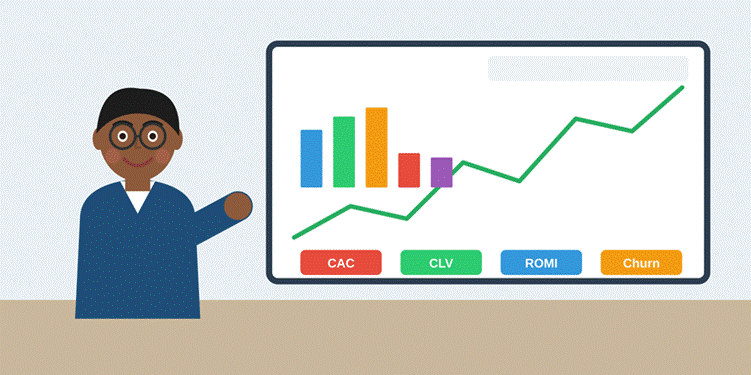
Clear metrics keep a growth strategy from turning into yet another list of marketing tasks. Some useful ones are:
• Customer Acquisition Cost (CAC): how much you spend to win each new customer.
• Customer Lifetime Value (CLV): how much revenue a customer brings in over their whole relationship with you.
• Conversion rate: the percentage of visitors or leads who convert.
• Customer retention rate: how many customers come back.
• Return on Marketing Investment (ROMI): the financial return you get from your marketing.
• Churn rate: how many customers stop using your product or service.
Pick the ones that fit your business. A subscription business might focus on retention and churn, while a consultancy may care more about quality enquiries, proposal conversion and revenue. The point is to understand what is driving profitable growth.
Do You Need Growth Marketing?
Not every business needs a dedicated growth marketing team, but almost every business can benefit from the thinking behind it.
• Startups can use it to find their ideal customers and the channels that reach them.
• Small businesses can improve lead conversion, follow-up and repeat custom without spending heavily on advertising.
• Established businesses can use testing to improve the customer experience, boost retention and uncover new revenue.
It’s especially useful if you already have some interest but struggle to turn it into steady revenue.
It won’t be an instant fix, though. You’ll need reliable data, realistic goals and consistent testing, and you’ll need to be willing to change course when the numbers say something isn’t working.
Final Thoughts
Growth marketing is really about building a better business.
Marketing shouldn’t stop when someone clicks your ad or visits your website. Growth marketing changes how you see your relationship with potential customers by linking acquisition to conversion, retention, referrals and revenue. That helps you see exactly where you’re missing opportunities.
Traditional marketing gets people to know about you. Growth marketing looks at what happens next and how to make that experience better.
If you want to move away from short-term promotions and towards sustainable growth, it’s well worth a look. The aim isn’t to get more attention. It’s to build a business that consistently turns attention into customers, customers into loyal supporters, and relationships into long-term revenue.