

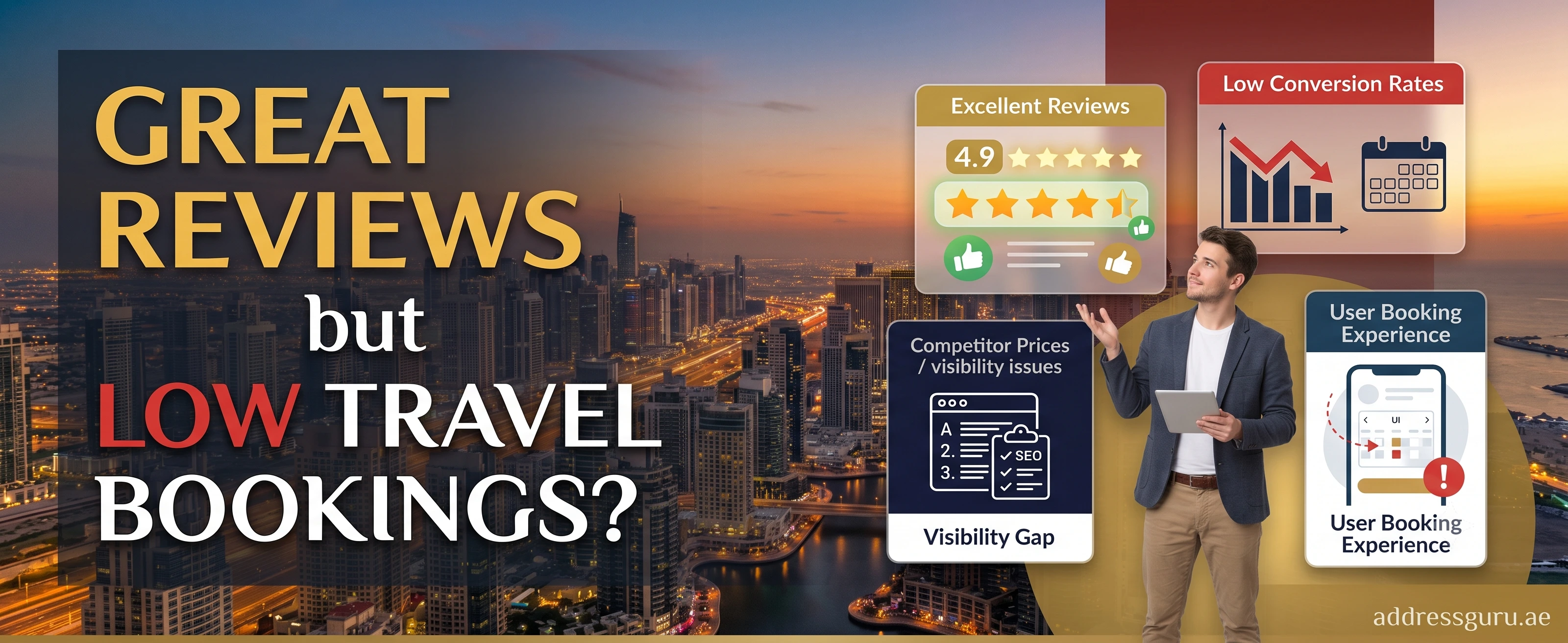
Getting good reviews is definitely a positive sign for any travel business. It means your existing customers had a good experience and were happy enough to recommend your services. Positive reviews can build credibility, reduce hesitation and help a new traveller feel more comfortable choosing your company.
But what if your reviews are great and bookings are still low?
The problem may not be your reputation. It could be what happens after a potential customer discovers your business.
Reviews can bring customers to your business, but clear information, quick communication and a smooth booking experience are what can turn that interest into an actual booking.
1. Reviews Build Trust, But Clarity Builds Confidence
A traveller may read several positive reviews and still have unanswered questions:
- What exactly is included in the package?
- Is the hotel actually good and in a convenient location?
- Are airport transfers included? Which attractions are covered?
- Are meals included?
- What happens if they need to cancel or change their plans?
These questions may seem simple, but they can have a major impact on the booking decision.
If customers cannot easily find these answers on your website, social media page or package details, they may hesitate. And when there are several other travel companies offering similar packages, it is easy for them to move on to another option
Your reviews may convince someone that you are trustworthy. Your package information needs to convince them that you are the right choice.
2. Make Your Package Details Easy to Understand
Another common problem is unclear package information. Phrases such as "Luxury Dubai Experience" or "Dubai Holiday Special" may sound attractive, but they do not tell customers enough about what they are actually buying.
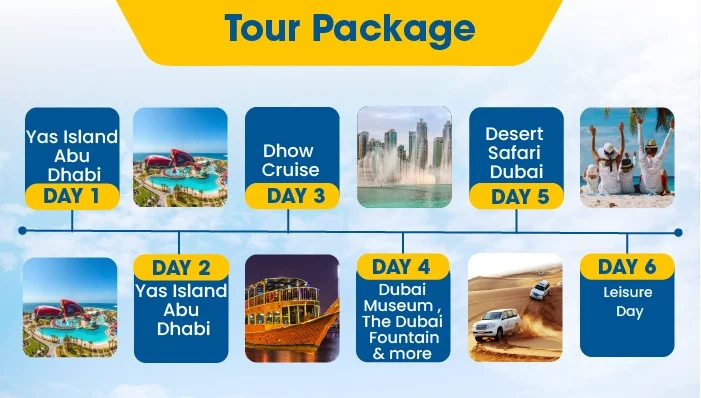
Instead of relying only on attractive headlines, provide practical information. Clearly mention:
- Number of nights and days
- Hotel name or hotel category
- Hotel star rating
- Airport transfers
- Sightseeing included
- Meals included
- Visa assistance
- Transfers between destinations
- Activities included Exclusions
- Cancellation and refund policy
- Any additional or optional charges
A customer should not have to contact you just to understand the basic structure of the package. The easier it is to understand the offer, the easier it becomes for the customer to make a decision.
3. Don't Make Price the Only Selling Point
Price is obviously important, but it is not always the reason customers hesitate. A traveller may be willing to pay more if they clearly understand what they are getting in return. Instead of immediately offering a discount, explain the value of the package.
For example, if your package includes a better-located hotel, private airport transfers, additional sightseeing, flexible cancellation or dedicated travel assistance, make those benefits visible. A cheaper package is not automatically a better package. Customers want to know whether the price feels reasonable for the experience and convenience they are receiving.
4. Turn Your Reviews Into Useful Social Proof
Your reviews can also work harder for your business. Instead of displaying only a star rating, highlight specific experiences from real travellers. A review saying that the airport pickup was smooth, the hotel matched expectations, the itinerary was well organised or the support team responded quickly gives potential customers something concrete to trust.
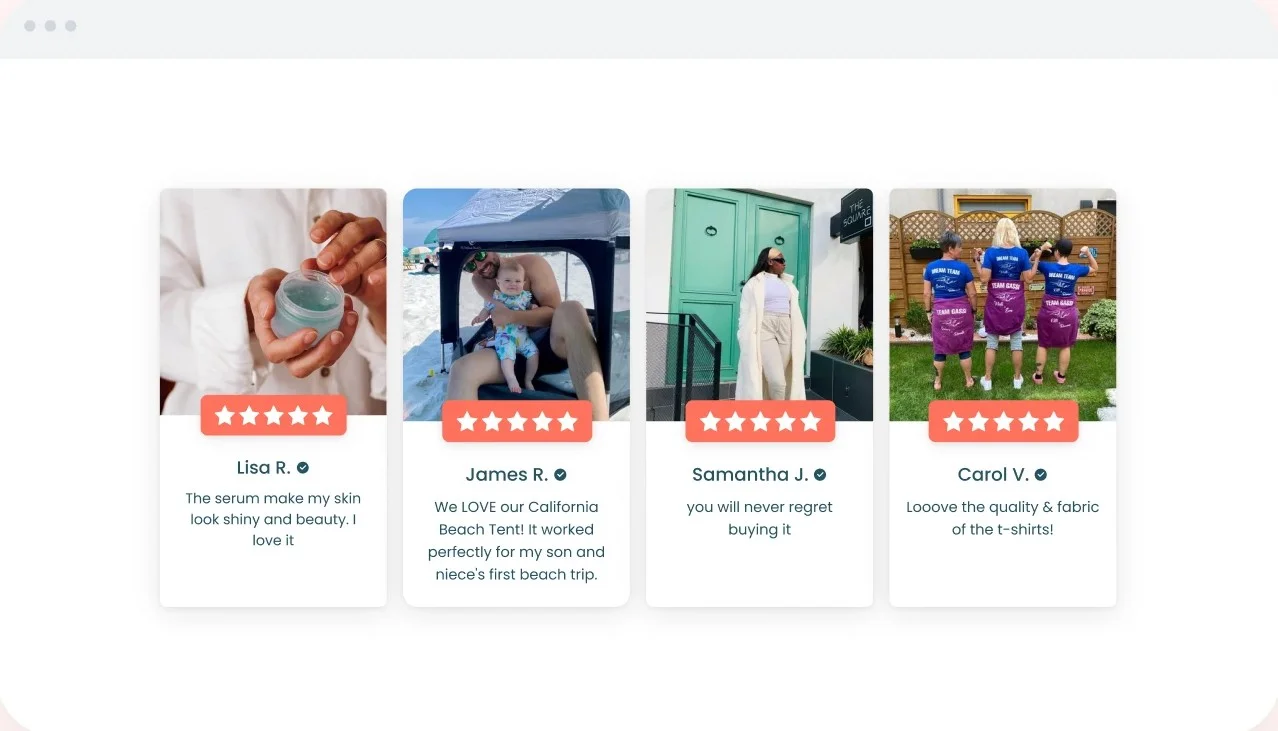
You can also organise reviews around different customer concerns. For example:
For families: "Comfortable hotel and an easy itinerary for travelling with children." For first-time international travellers: "Visa and airport transfer assistance made the entire trip stress-free."
For couples: "Great hotel location and enough free time to explore Dubai together."
Specific experiences are often more convincing than simply saying that your company has "excellent service."
5. Look at What Happens After the Enquiry
Sometimes the problem is not the package at all. It is what happens after someone shows interest.
Imagine a traveller sees your Instagram post, visits your website and sends an enquiry. Then they wait several hours for a response. By that time, they may have contacted two or three other travel companies.
Slow replies, lengthy enquiry forms, unclear payment instructions and inconsistent follow-ups can quietly cost you bookings.
Try to make the process simple. A potential customer should know:
- What happens after I enquire?
- When will I receive the quotation?
- How can I make the payment?
- Who can I contact if I have a question?
The fewer unnecessary steps there are, the easier it is for an interested traveller to move forward.
6. Check Whether Your Website Matches Your Advertising
There can also be a disconnect between your advertisement and your actual package page.
For example, an advertisement may promote a Dubai holiday at an attractive starting price. But when the customer clicks, they may find a completely different price or a package with several additional charges. This can immediately reduce trust.
Make sure your advertisements, landing pages and quotations communicate the same offer clearly. If there are conditions behind the advertised price, explain them instead of hiding them in small text. Transparency can prevent confusion and improve customer confidence.
7. Make the Next Step Obvious
Once a customer has read about your package, what are they supposed to do next? If the answer is unclear, you may lose a potential booking.
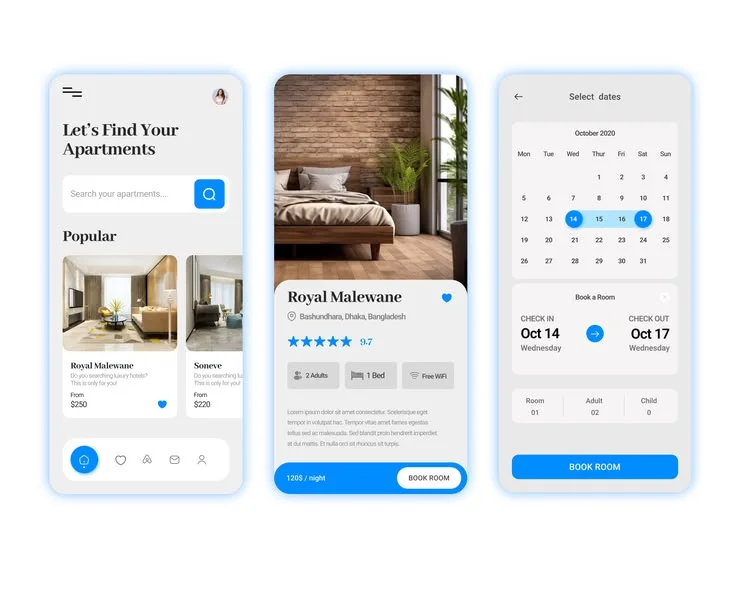
Use clear calls to action such as:
- Get Your Free Quote
- Check Package Availability
- Talk to a Travel Expert
- Plan Your Dubai Trip
The customer should not have to search through your website to figure out how to contact you.
Conclusion
Good reviews can bring people to your business. But clear information, visible value, quick communication and an easy booking process are what can turn that interest into an actual booking.
If your reviews are strong but bookings are weak, the answer may not be another discount. It may simply be about improving what happens between "I'm interested" and "I'm ready to book."