

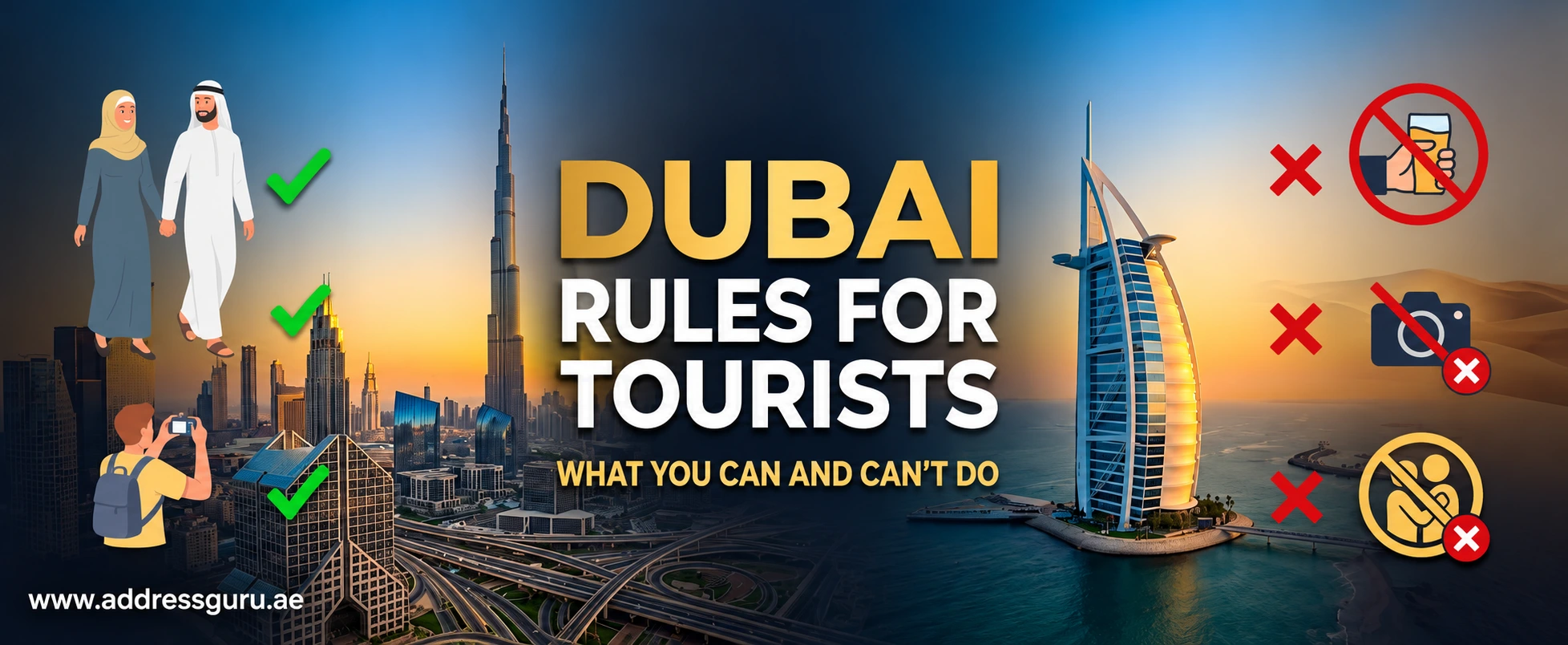
Most tourist trouble in Dubai comes from six avoidable areas: medication, filming and posting, alcohol, public behaviour, dress and religion, and everyday transport and street rules.
This guide gives you the rule, the legal basis, the exact steps to comply and the point where each plan usually fails. Check your own government's latest travel advice first, because regional conditions shifted through 2026.
The Risk Matrix: Where Tourists Actually Get Caught
Severity ranges from a small fine to jail. In every row, prevention costs minutes; the downside costs your trip.
|
Area |
Worst realistic outcome |
Hidden trap |
Common misconception |
Cheapest prevention |
|
Drugs and medication |
Official UK advice cites a minimum three months in jail or a AED 20,000 to 100,000 fine for any amount of illegal drugs, cannabis included |
Some everyday painkillers and sleep or anxiety medicines are controlled |
My doctor prescribed it, so it's fine |
Free online approval before you fly (10 to 20 minutes) |
|
Filming and posting |
Cybercrime charges; reports cite a two-year minimum and a AED 200,000 fine for publishing material that disturbs public security |
Resharing or commenting can count, and deleting a video does not undo it |
Everyone is posting it |
Don't film incidents; keep posts to scenery |
|
Alcohol and driving |
Fine, detention or deportation |
Sharjah is dry, and carrying alcohol on the Metro is fined |
A licensed hotel means anywhere is fine |
Drink only in licensed venues; take taxis |
|
Public affection and gestures |
Fine, jail or deportation at a judge's discretion |
Enforcement is discretionary, so a pass yesterday guarantees nothing |
We're married, so it's fine |
Hold hands at most |
|
Dress and religion |
Refused entry; complaints |
Standards tighten at mosques and during Ramadan |
Dubai is liberal everywhere |
Carry a light cover-up in your bag |
|
Streets, transport, drones |
Fines in the hundreds of dirhams; drone seizure |
Dubai reissued its transport fine schedule in February 2026 |
Small fines are optional |
A loaded Nol card; leave the drone at home |
Medication and Drugs: Get Approval Before You Fly
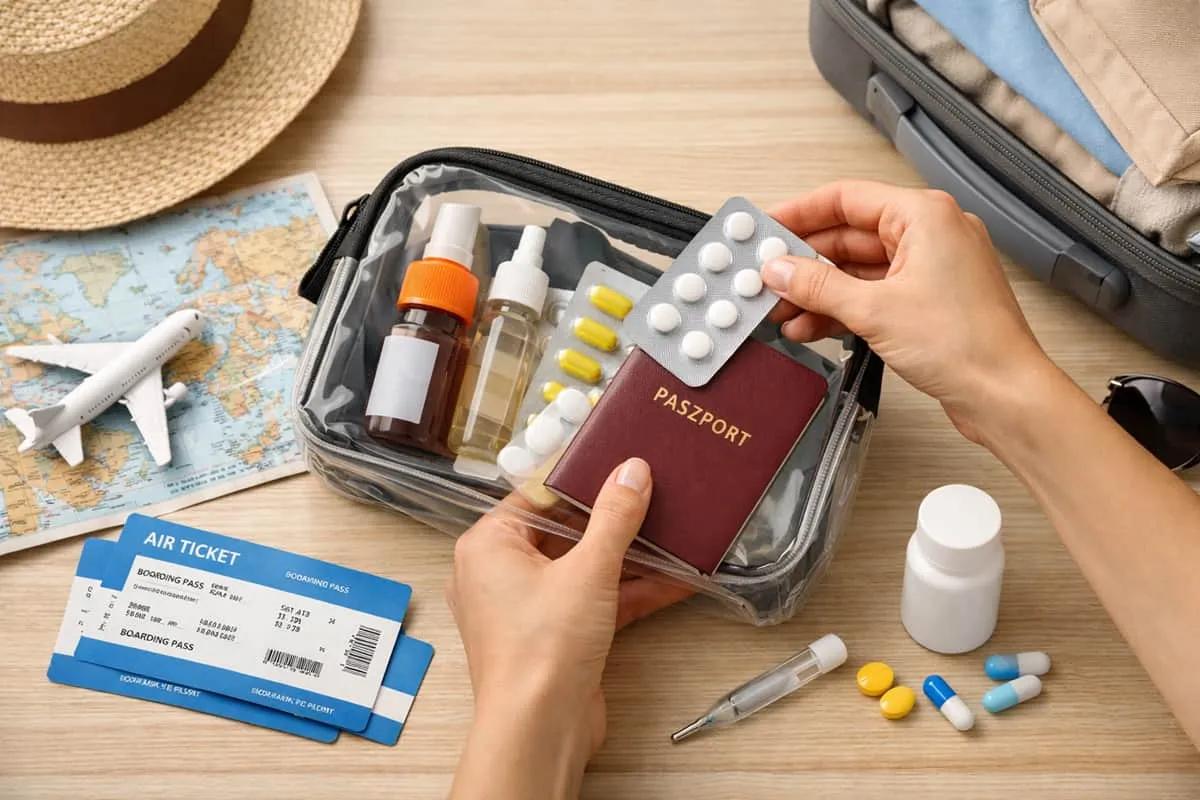
Controlled medicines need approval from the UAE Ministry of Health and Prevention (MOHAP) before you travel. Ordinary medicines do not. The approval is free and applied for online.
The five-step process
-
Read the generic name on the box, not the brand name.
-
Check it against the official controlled-medicines list on the UAE government portal. It covers 200+ drugs and shows which can enter with a permit and which are banned outright.
-
If it is listed, apply on the MOHAP website. Create a profile, then submit the personal-medication import application. Expect to supply your passport, prescription and a doctor's report. Apply at least two weeks before travel.
-
Pack the paperwork with the pills: approval printout, original prescription, doctor's letter, and medicines in original pharmacy packaging.
-
If you arrive without approval, declare the medicine at customs with the prescription and medical report. Passengers staying airside in transit do not need prior approval, but should still carry the prescription.
What to carry, by medicine type
|
Medicine type |
Approval needed? |
What to carry |
Where it fails |
|
Basic over-the-counter (antacids, plain painkillers) |
No |
Original packs |
Some cold and pain products contain codeine, which is controlled |
|
Non-controlled prescription |
No prior approval |
Prescription and doctor's letter |
A bulk supply can look like import for resale; bring a personal supply only |
|
Controlled, Class A (narcotics, psychotropics) |
Yes |
Approval, prescription, medical report |
Pills moved into a weekly organiser lose their label |
|
Semi-controlled, Class B |
Yes |
Same as above |
"Semi" is read as "exempt"; it is not |
|
CBD and "herbal" products |
Illegal |
Leave at home |
Official UK advice lists CBD and some herbal highs as illegal |
Why the usual approach fails
A home prescription alone is not enough for controlled drugs. Airports run strong detection technology, so "nobody checks" is not a plan. Workaround: ask your doctor, before booking, whether a non-controlled alternative or a shorter supply works. Save the approval offline on your phone.
Filming and Posting: The Rule That Catches Careful Tourists
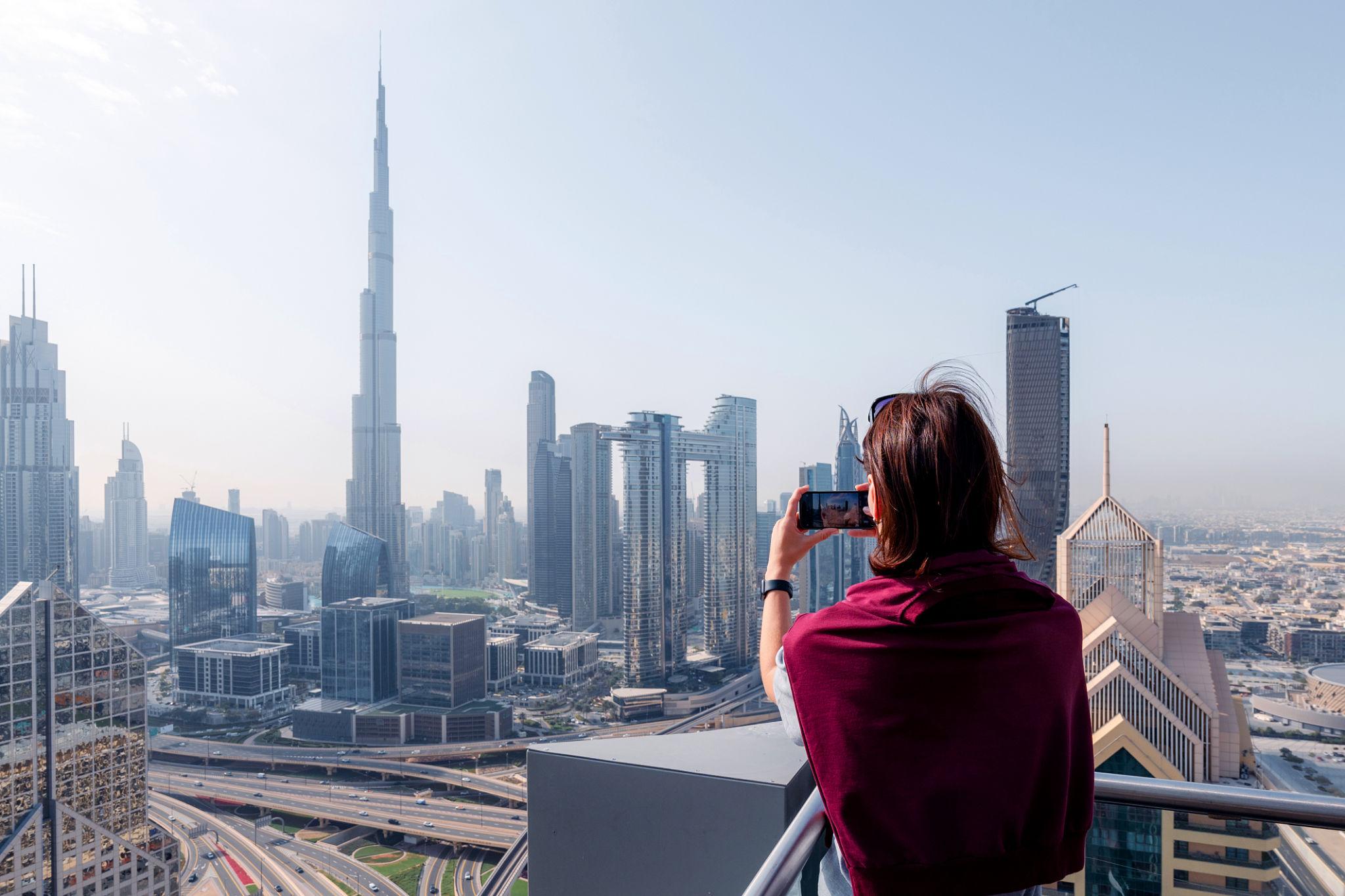
Two laws overlap here. Privacy rules protect people from being photographed without consent. The cybercrime law punishes publishing material that harms public order or security.
Dubai Police say filming others without consent is punishable, with outcomes from a fine to jail depending on the act and how the image was used.
What changed in 2026
During the regional conflict, UAE authorities warned residents and visitors not to photograph, post or share images of incident sites, projectile damage, government buildings or diplomatic missions. Reports say 21 people were charged under cybercrime law, including a 60-year-old British tourist, with a reported minimum of two years in prison and a AED 200,000 fine. He had deleted his video when asked, and was still charged. Legal advocates warn that even commenting on or resharing a circulating clip can create exposure.
Safe-behaviour matrix
|
Situation |
Risk |
Why |
Do this instead |
|
Strangers, especially women, and beachgoers |
High |
Consent rule; the beach is a known enforcement hotspot |
Ask first; frame people out; use crowds only as background |
|
Government, military, airport security areas |
High |
Restricted subjects; devices can be confiscated |
Shoot public landmarks from open viewing areas |
|
Incidents, emergencies, accidents, arrests |
Very high |
Footage can be treated as spreading panic or rumours |
Move away, follow official instructions, message family without images |
|
Resharing or commenting on viral incident clips |
High |
Can fall under cybercrime law |
Mute the topic; don't engage |
|
Venting about officials, religion or businesses |
Medium to high |
Insulting or false content can be criminal |
Keep reviews factual; skip insults |
|
Scenery, food, your own group |
Low |
No restricted subject |
Shoot freely |
If someone objects to being filmed
-
Stop filming at once and apologise.
-
Delete the image in front of them, before they complain, not after.
-
Never argue. A raised voice can turn a misunderstanding into an offence.
Alcohol: Where, How and the Traps
Non-Muslim visitors aged 21 and over can drink in licensed venues or in private accommodation. Drinking or being drunk in public is the line you cannot cross. Rules for buying bottles have changed several times, so treat the shop row below as a check-in-store item.
|
Scenario |
Allowed? |
How to do it |
Hidden trap |
|
Hotel bar, licensed restaurant or club |
Yes |
Carry your passport or ID; you must be 21+ |
Licences cover the venue, not the pavement outside |
|
Buying from a licensed liquor shop |
Yes, with a passport |
Show your passport at the till; some stores issue a free temporary tourist licence on the spot, so ask |
The licence process has shifted several times; confirm in store |
|
Drinking on a street, beach or park |
No |
Take the drink back to your room |
A "quiet drink" still counts as public |
|
Carrying alcohol on the Metro or tram |
No |
Use a taxi for bottles |
AED 500 has been the listed fine |
|
Driving after any drink |
Zero tolerance |
Use a licensed taxi |
"Just one" is still a violation |
|
Day trip to Sharjah |
Prohibited |
Check which emirate you are in before opening anything |
Sharjah is a short drive from Dubai, so borders blur |
Why plans fail: tourists assume a licence works like a passport, valid everywhere. It works like a ticket, valid only at its venue. Fix: finish drinks inside the venue, and book transport before your first drink.
Dress, Behaviour and Affection: The Grey Zones
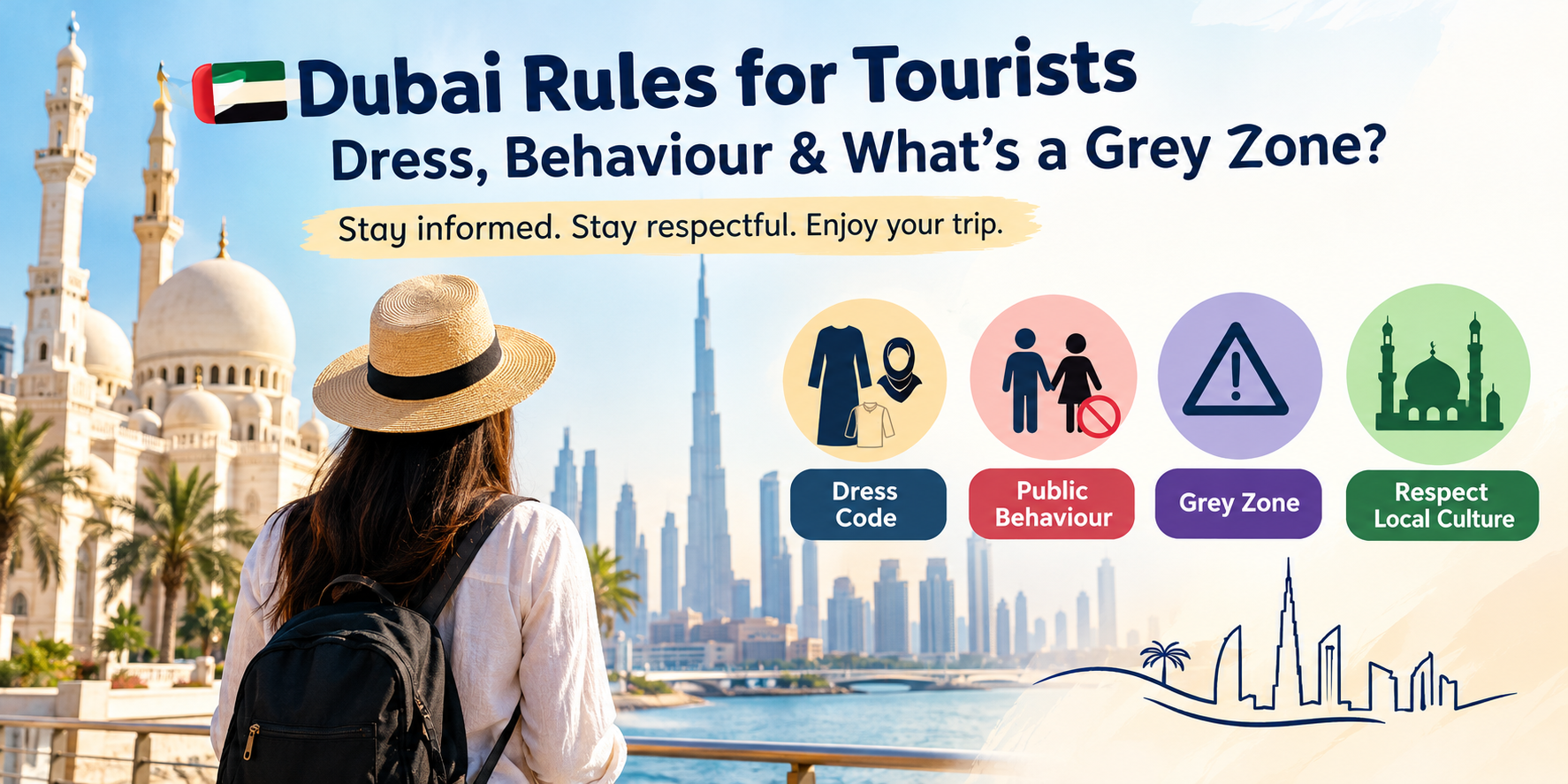
There is no rigid legal dress code for tourists, but modesty is expected, and standards rise sharply at religious sites and during Ramadan. The safest approach is to dress for the strictest place you will visit that day.
Dress matrix by place
|
Place |
Standard |
If you get it wrong |
|
Beaches, hotel pools, waterparks |
Swimwear is fine |
Cover up before walking through lobbies, streets or malls |
|
Malls, souks, government buildings |
Cover shoulders and knees |
You may be asked to cover up |
|
Mosques |
Arms, legs and shoulders covered; women cover their hair; shoes off; speak softly |
You may be refused entry |
|
Ramadan daytime |
More conservative than usual |
Standards can be policed more strictly |
Behaviour and affection matrix
|
Behaviour |
Position |
Why it matters |
|
Holding hands |
Generally accepted for couples |
Official guidance keeps public affection minimal |
|
Kissing and hugging in public |
Not accepted; fines, jail or deportation are possible |
Being married gives no exemption |
|
Unmarried couples sharing a room |
Consenting unmarried adults are no longer criminalised for living together |
Cases involving a married partner remain offences, and hotels can set their own check-in rules, so confirm when booking |
|
Rude gestures and swearing |
Treated as public indecency or insult |
Courts have jailed and deported people for a raised middle finger |
|
Same-sex relationships |
Criminalised under UAE law |
LGBTQ+ travellers should read their own government's specific advice before booking |
Travel with confidence, with AddressGuru UAE is a directory of services listed across Dubai. Once you know the rules, use it to find local services for your trip in one place, so you can plan with confidence and spend less time guessing.
Ramadan and Heat: Plan by the Clock
During Ramadan, the rules change by daylight hours, not by place. Ramadan is expected to begin around early February, but the exact start depends on moon sighting, so confirm dates close to travel.
|
Activity |
In public during daylight |
Practical workaround |
|
Eating and drinking |
Avoid, including in your car |
Ask your hotel where daytime dining is available |
|
Smoking and vaping |
Avoid |
Use designated areas out of public view |
|
Chewing gum |
Avoid |
Skip it until after sunset |
|
Music and dancing |
Treated as disrespectful |
Keep volume low; save it for after dark |
|
Dress |
More conservative than usual |
Pack long, light layers |
Heat is the quieter risk. Summers are intense, and many tour operators put the comfortable season at November to March. Carry water, wear breathable fabric and schedule outdoor sightseeing for early morning or evening.
Streets, Transport and Drones: Small Rules, Real Fines
Dubai's public transport fines are small individually but they add up, and the official schedule was reissued in February 2026. Amounts below are the ranges listed in recent schedules, so check the transport authority's current table before relying on any figure.
|
Offence |
Listed range |
How to avoid it |
|
Eating or drinking where prohibited |
About AED 100 or more |
Finish snacks before boarding |
|
Spitting or littering |
AED 100 to 500 across schedules |
Use a bin; carry a spare bag |
|
Carrying alcohol on transport |
AED 500 |
Take a taxi for bottles |
|
Travelling with an invalid or missing Nol card |
About AED 200 |
Buy a Nol card at any Metro station machine, top it up, tap in and out on every trip |
|
Smoking on transport |
AED 100 to 200 |
Smoke only in designated outdoor areas |
Drones: leave yours at home
Tourists cannot realistically fly a drone legally in Dubai. Federal registration is tied to an Emirates ID, Dubai adds its own aviation authority registration, and the emirate has said recreational use remains prohibited. A drone you pack can be impounded at customs and returned only when you leave. Workaround: book a licensed aerial or helicopter experience instead.
Debts and unpaid bills
Official UK advice says non-payment of bills, hotel bills included, is taken seriously and can lead to a fine or jail. Settle every bill and rental charge before you leave the emirate.
If It Goes Wrong: A Response Playbook
The first 30 minutes shape the outcome. Staying calm, polite and cooperative helps. Disrespect towards officials can make matters worse.
|
Situation |
Do this first |
Then contact |
|
Stopped or detained by police |
Stay calm and polite; ask to contact your embassy; don't sign anything you can't read |
Your embassy or consulate, then a lawyer |
|
Medicine questioned at customs |
Stay calm; show the prescription, report and any approval; ask for a written record of what is held |
Your embassy if it is seized |
|
Someone objects to a photo |
Stop, apologise, delete it in front of them |
The police only if they insist |
|
You posted something that may breach the law |
Take it down at once; don't reply to comments |
A lawyer, and your embassy |
|
Transport fine |
Keep the notice; pay or dispute through the transport authority |
The authority's customer line on the notice |
Numbers to save before you fly
-
Emergency: 999
-
Tourist helpline: +971 600 55 55 59 (confirm before travel)
-
Your embassy: save the address and phone number offline
-
Someone at home: tell them what happened as soon as you can
Myths vs Reality
Most mistakes come from outdated or half-true assumptions.
|
Myth |
Reality |
Why the myth persists |
|
Tourists can't drink at all |
They can drink in licensed venues |
Public drinking is banned, and the two get blurred |
|
Unmarried couples can't share a room |
Consenting unmarried adults are no longer criminalised for it; hotels set their own check-in rules |
The law changed in 2020 and 2022 and old advice lingers |
|
Women must cover their hair |
Only inside mosques |
Guides mix mosque rules with city rules |
|
Deleting the video fixes it |
A tourist who deleted footage when asked was still charged |
Deleting feels like undoing |
|
Swimwear is fine everywhere |
Only at beaches, pools and waterparks |
Resort areas look relaxed |
|
Everyone is wearing shorts, so it's allowed |
Tolerance is not a legal guarantee |
Enforcement is discretionary |
Conclusion: Three Habits That Prevent Most Problems
Dubai rewards visitors who prepare. Three habits cover most of the risk: sort medication approval before you fly, keep your phone's camera and posting habits conservative, and stay inside licensed venues for alcohol.
Add a modest dress mindset and a loaded transport card, and everyday rules take care of themselves. Rules, fines and advisories change, so take five minutes to check official sources before you travel.