


Your landlord has informed you that your rent will increase at renewal. You may be wondering whether the proposed amount is allowed, whether you have received enough notice and what you should do if you disagree.
Before accepting the new rent, check the official rental index, your tenancy contract and the date on which the landlord notified you. Do not assume that every rent increase is automatically valid—or that every increase is prohibited.
This guide explains how tenants can verify a proposed rent increase in Dubai and take practical next steps.
1. Check the Official Dubai Rental Index
Start with the official Dubai Land Department Rental Index.
The service allows users to check rental information using property details and contract information. Follow the current instructions and enter the information requested, such as the property type, area, number of rooms, contract expiry date and current annual rent.

Keep a copy or screenshot of the result for your records.
The index and applicable rules help determine whether an increase may be permitted. Do not rely only on a landlord's estimate, a neighbouring property's rent or an online advertisement.
2. Understand That Rent Increases Are Not Automatically Allowed at Any Amount
Dubai has a regulated framework for rent increases. The permitted increase depends on the applicable rules and the difference between the current rent and the relevant market rental value.
The Dubai Land Department's Smart Rental Index framework describes possible increases ranging from 0% to 20%, depending on the property's rental position relative to the market. The applicable result must be checked for the specific property and renewal.
Do not apply a single percentage to every apartment. Use the official rental calculator rather than assuming that a landlord can raise rent by a fixed amount every year.
Official reference: Dubai Land Department's Smart Rental Index announcement.
3. When You Received the Notice Check
Timing matters when a landlord proposes changing the rental terms.
Dubai's tenancy framework generally requires notice of an intended change at least 90 days before the contract expires, unless the parties have agreed otherwise. The Dubai Land Department's official guidance explains the notice requirement and the process for rental-term changes.
Check:
-
The tenancy contract's expiry date
-
The date you received the notice
-
Whether the notice was written
-
The exact rent being proposed
-
Any other changes to the contract
-
Whether your agreement contains relevant notice terms
Keep the email, message or other written communication showing when the notice was received. If the notice was late, do not assume the increase is valid; verify your particular circumstances through official guidance.
Official reference: Dubai Land Department FAQs.
4. Compare the Proposed Rent With the Official Result
Suppose your current annual rent is AED 70,000 and your landlord proposes AED 80,000 at renewal.
Do not immediately agree or reject the proposal. Enter the relevant property and contract details into the official Rental Index and check the result.
Compare the proposed amount with the applicable result and review the notice date. The example is only illustrative; it does not establish that a particular increase is permitted.
If the official result and the landlord's proposal appear inconsistent, ask the landlord or authorised agent for a written explanation and keep a copy of the calculator result.
5. Read Your Tenancy Contract Before Responding
Your contract may contain terms about renewal, notice, payment arrangements and other changes.
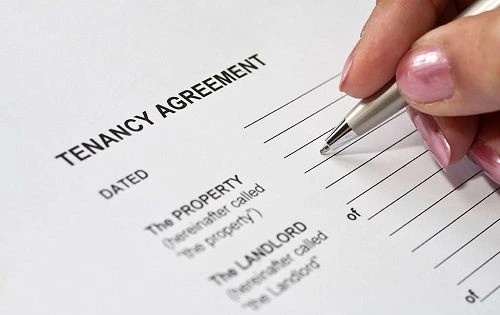
Review the original agreement and any written amendments. Check whether you and the landlord have agreed to any different notice arrangements and whether the proposed changes have been clearly communicated.
Do not rely only on a phone conversation. Ask for the proposed renewal terms in writing so you can review them carefully.
6. What Should You Do If You Disagree With the Increase?
Take these steps before escalating the issue:
-
Collect your documents. Keep the current tenancy contract, Ejari details, payment records and landlord's notice.
-
Check the Rental Index. Save the official result for your property details.
-
Review the notice date. Compare it with your contract expiry date and applicable notice rules.
-
Write to the landlord or agent. Explain the specific point you want clarified and attach relevant evidence.
-
Seek official guidance. If you cannot resolve the disagreement, contact the Dubai Land Department or the Rental Disputes Center to understand the appropriate procedure.
Avoid withholding rent or taking other action without checking your legal position. If a dispute remains unresolved, obtain guidance from the relevant authority or a qualified legal professional.
7. Prepare for Renewal Before the Deadline
Do not wait until the last few days of your tenancy to review a proposed increase.
Set a reminder before your contract expires. Check the Rental Index, calculate your budget and decide whether you want to negotiate, renew or explore alternatives.
If you are considering moving, compare the full cost of a different apartment—including deposits, agency fees, utility connections, moving expenses and transport—rather than comparing rent alone.
How AddressGuru UAE Can Help With Your Property Search
If you decide to compare other housing options, explore relevant property information on AddressGuru UAE. Review the available property details and contact the authorised representative to confirm current rent, availability and contract terms.
A new listing is not a substitute for checking your rights under the existing tenancy agreement, so verify the renewal issue separately before making a decision.
Conclusion
A proposed rent increase can be stressful, but checking the official Rental Index, notice date and tenancy agreement gives you a clearer basis for responding.
Keep your documents organised, communicate in writing and use official guidance before making a decision. If the proposed increase remains disputed, contact the relevant Dubai authority rather than relying on assumptions or informal advice.