


Introduction
Travelers compare firms, including a travel agency, before choosing. Genuine reviews help potential guests understand service quality, safety, communication, and value. For operators, reviews are more than a public rating: they are a practical source of insight into what works and what needs attention. A thoughtful process can turn customer experiences into clearer information, better service, and more confident purchase decisions.
International audiences have different priorities. A customer from North America may look for transparent pricing and flexible cancellation policies. European travelers may compare accessibility, sustainability, and accurate schedules.
Families from India may want information about children, meals, and language support, while guests from the Middle East may prefer private experiences or flexible timing. Visitors from Africa, Latin America, and Oceania may need clear transport instructions, seasonal details, and payment information. Useful reviews can help answer these questions without relying on assumptions.
1. Collect Honest Reviews at the Right Time
Invite guests to share their experience shortly after completing a tour, while the details are fresh. Send a brief message thanking them, naming the activity, and providing one convenient link. Ask for honest opinions rather than positive ratings. Never pressure visitors or offer incentives in exchange for favorable reviews. Follow platform policies and relevant privacy requirements.
A simple collection checklist:
-
Thank the customer and mention the tour they joined.
-
Ask for honest reviews in neutral language.
-
Provide one clear link that works on mobile devices.
-
Send reminders sparingly and respectfully.
-
Offer a private way to resolve service concerns.
Track responses by tour type and invitation timing. If participation is low, test a shorter message or a different sending time. Make the process accessible across devices and languages. The purpose is to understand experiences, not manufacture praise or discourage criticism.
2. Choose Platforms That Reach Your Audience
Potential visitors discover operators through search engines, map listings, specialist marketplaces, social media, and business websites. Make authentic reviews easy to find wherever people compare experiences. Maintain accurate opening hours, contact details, meeting points, and tour descriptions across platforms.
|
Platform |
Main benefit |
Recommended action |
|
Google Business Profile |
Local discovery |
Keep details accurate and respond professionally |
|
Tour marketplaces |
Comparisons between similar experiences |
Complete listings and follow platform policies |
|
Business website |
Detailed tour information |
Place authentic testimonials near relevant descriptions |
Do not fabricate testimonials or edit reviews in misleading ways. Follow platform rules before republishing statements, and obtain permission before sharing identifiable photographs or personal details. Genuine opinions are more useful than an artificially perfect reputation. Readers should be able to distinguish a visitor’s experience from information written by the operator.
3. Use Reviews to Improve Tour Pages
Reviews often reveal questions that sales pages have failed to answer. Look for recurring themes involving punctuality, guide knowledge, accessibility, group size, safety briefings, meals, transport, and value. Use these insights to improve business and reduce uncertainty before visitors decide. Clear information makes planning easier and helps set realistic expectations.
|
Common question |
Information to provide |
|
Is pickup dependable? |
Explain meeting points, pickup windows, and delay updates |
|
Is the tour suitable for children? |
State age guidance, facilities, and physical requirements |
|
What happens if weather changes? |
Explain cancellation terms and alternatives |
|
Can dietary needs be supported? |
List available options and advance-notice requirements |
Use claims that reflect current operations. If guests repeatedly mention confusing meeting points, improve confirmation messages and maps. If visitors praise a guide’s expertise, describe that expertise accurately on the relevant page.
4. Respond Professionally to Praise and Complaints
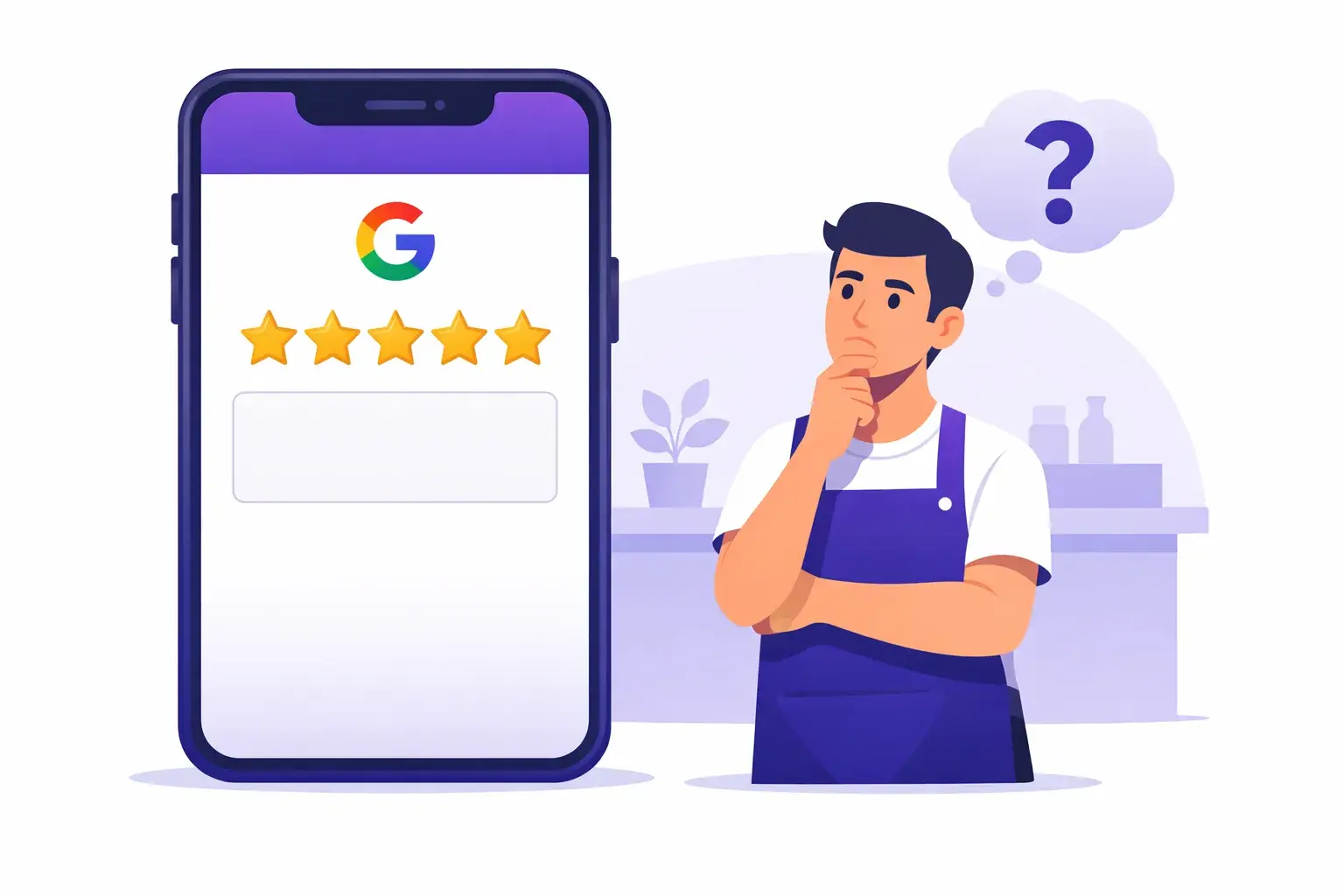
A thoughtful response demonstrates accountability. Thank visitors for positive reviews and acknowledge the specific experience they describe. Avoid identical replies that sound automated. For criticism, investigate the facts, recognize the concern, and explain any corrective action. Professional replies show prospective guests that the operator takes service seriously, even when an experience does not go perfectly.
Effective response practices:
-
Reply promptly in a calm, courteous tone.
-
Acknowledge the concern before explaining relevant details.
-
Apologize clearly when the business makes a mistake.
-
Move private customer details to a secure channel.
-
Review recurring complaints with the responsible team.
Never argue publicly, threaten a reviewer, or reveal private information. Do not pressure anyone to change a rating. Resolve concerns wherever possible, then use the lesson to improve training or operating procedures. Responses should be specific, respectful, and honest rather than defensive or promotional.
5. Adapt Information for Global Markets
International marketing works best when it answers real questions instead of relying on stereotypes. Visitors from the United States and Canada may want total prices, inclusions, and flexible cancellation terms. Travelers from the United Kingdom and Germany may value accessibility, precise schedules, and responsible tourism.
|
Target region |
Useful information to highlight |
|
North America |
Total cost, inclusions, meeting details, cancellation terms |
|
Europe |
Accessibility, schedules, group sizes, sustainability |
|
South Asia |
Family suitability, meals, language support, value |
|
Middle East |
Private tours, family arrangements, service options |
|
Africa and Latin America |
Transport logistics, language clarity, payment details |
|
Australia and Oceania |
Duration, weather, activity demands, advance planning |
Translate essential information professionally when needed. Keep currencies, time zones, transport details, and seasonal conditions accurate. A travel agency serving several markets should use actual visitor questions to decide which details deserve greater prominence
6. Measure Results Instead of Guessing
A stronger rating alone does not prove that reviews increased bookings. Track invitation response rates, recurring complaints, website engagement, and completed bookings. Compare similar periods because seasonality, advertising, pricing, and availability can influence results.
|
Metric |
What to measure |
Improvement to test |
|
Response rate |
Invitations compared with replies |
Simplify the request |
|
Recurring themes |
Common praise and complaints |
Improve the affected service |
|
Page engagement |
Visits and interactions on tour pages |
Make answers easier to find |
|
Conversion rate |
Completed bookings relative to relevant visits |
Review pricing and checkout steps |
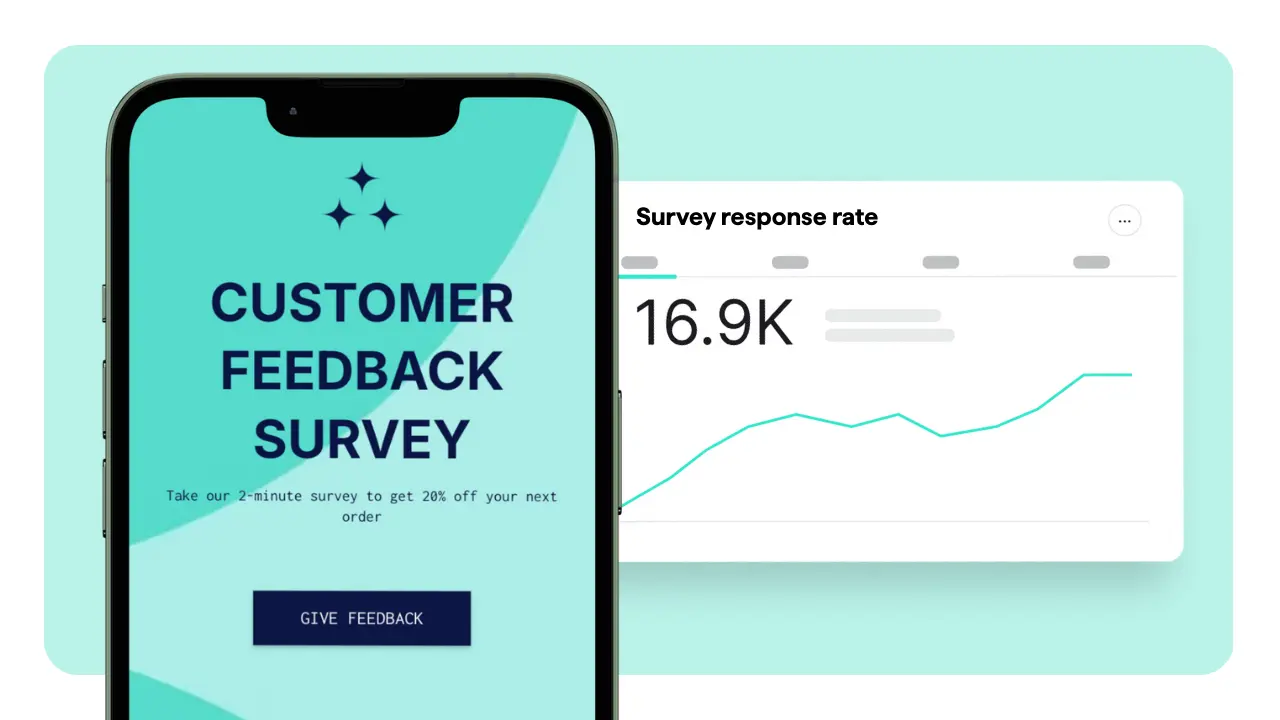
Record when changes occur and compare results across similar periods. Analytics can reveal useful patterns, but they do not always prove that one change caused a sale. Protect personal information, collect only necessary data, and use findings to plan further tests. Set realistic goals, document the changes, and review outcomes with the team.
7. Make Improvement Part of Daily Operations
Share useful insights with guides, drivers, support staff, and marketing teams. When several suppliers contribute to an experience, agree on service standards and monitor partner performance.
If guests report delays, investigate the cause, communicate realistic pickup windows, and check whether complaints decline after changes. Keep training practical and repeat it when routes, vehicles, or policies change.
Keep public information current. A testimonial describing an old route or vehicle may no longer reflect the service. Update outdated details and publish personal stories only with appropriate permission. Make it easy for staff to report recurring problems without blame. The goal is a dependable experience, not simply a more attractive online profile.
Conclusion
Authentic reviews help tour operators understand expectations, improve business, and communicate useful information. Collect reviews respectfully, make them easy to discover, respond professionally, and turn recurring insights into practical improvements.
Tailor information for international audiences and measure whether changes improve engagement and completed bookings. Avoid fake testimonials, exaggerated promises, and pressure tactics. A consistent process can help a travel agency improve business operations while protecting credibility.
When a company delivers what it advertises and learns from genuine experiences, prospective guests have stronger reasons to choose its tours and recommend them to others. The aim is not to collect praise alone; it is to provide a reliable experience that visitors feel comfortable describing honestly.