

Introduction
You step into the shower after a long day, turn the tap, and wait. The water stays cold. It is one of those small problems that can spoil a whole evening.
The good news is that most heater faults have simple causes. Some you can check yourself in five minutes. Others need a trained technician and proper water heater repair.
Most homes in the UAE use electric storage heaters, so this guide focuses mainly on them. It also covers a few common faults in gas units.
This guide explains the most common reasons your heater stops working, what each sign usually means, and when it is time to call a professional. It is written for UAE homes, where hard water and long summers bring their own problems.
1. The Power Supply Has Tripped
When people search for help with a water heater not working problem, the answer is often simple. Electric heaters need a steady power supply, and a tripped circuit breaker is one of the most common reasons for cold water. Open your distribution board and look for a switch that has dropped down.
Many UAE apartments also have a separate isolator switch for the heater, often outside the bathroom or near the kitchen. If the breaker trips again right after you reset it, stop there. Repeated tripping points to a wiring fault or a damaged part, and it is not safe to keep forcing it back on.
2. The Thermostat Is Faulty or Set Too Low
The water heater thermostat tells the unit when to start and stop warming the water. If it fails, the heater may not switch on at all, or it may only heat the water a little. Sometimes the problem is simply the setting. A family member may have turned the dial down, or the knob may have moved during cleaning.
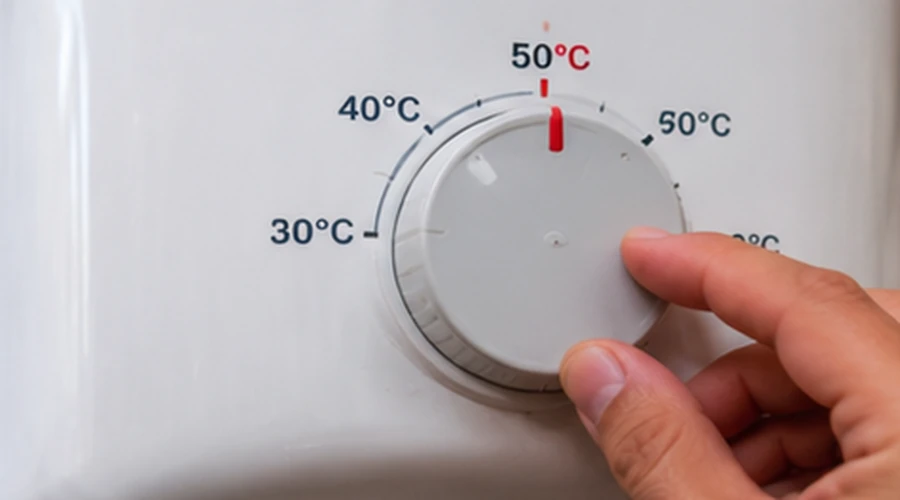
A safe setting is usually around 50 to 60°C. This keeps the water hot enough for daily use while lowering the risk of burns, especially for children and older family members.
A faulty thermostat can also cause the opposite problem, with water that becomes far too hot. Both cases need attention, because a heater that overheats is a safety risk.
Call a technician near by that can test this part with a meter in a few minutes. Replacing it is usually much cheaper than replacing the whole unit.
3. The Heater Is Simply Too Old
Every heater has a working life. Many storage tanks last around 8 to 12 years, and hard water can shorten that.
Older units often show several problems together, such as rusty water, slow heating, and regular breakdowns.
At this stage, paying for repeated water heater repair may cost more than buying a new unit. A fresh water heater installation with a newer model may also use less power, which helps with your monthly bills.
4. The Heating Element Has Burnt Out
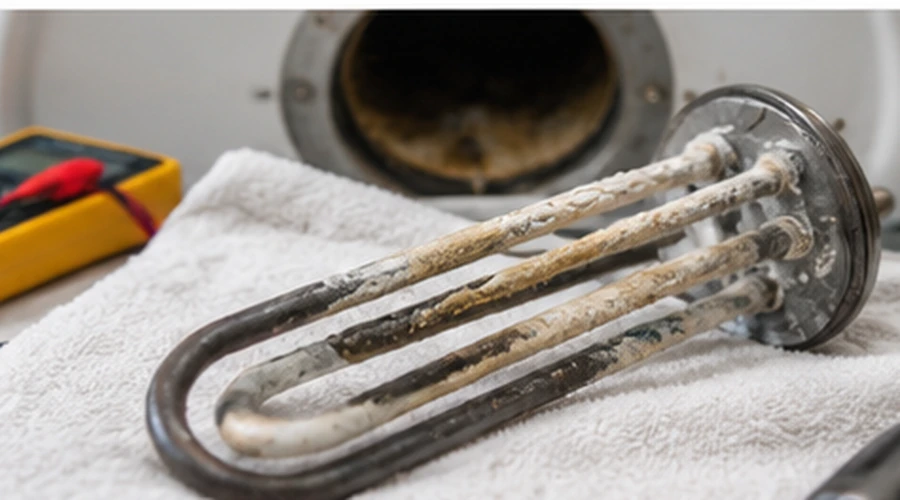
Electric heaters use a metal rod inside the tank to warm the water. When this part burns out, you may get no hot water at all, or only a short warm burst before it turns cold.
Many tanks have two of these rods, one near the top and one near the bottom. If only one fails, you might notice that hot water runs out much faster than before.
A burnt-out heating element is one of the most common faults in UAE homes. It is not an expensive part, but it must be replaced with the power off and the tank properly drained.
5. The Tank Is Too Small for Your Household
Sometimes nothing is broken at all. The heater is simply too small for the number of people using it.
A tank that worked well for a couple may struggle when guests stay, or the family grows. If the first two showers are warm and the third is cold, size may be the real issue.
Here is a rough guide that many technicians use for homes:
Household Size |
Typical Tank Size |
|
1 to 2 people |
30 to 50 litres |
|
3 to 4 people |
50 to 80 litres |
|
5 or more people |
100 litres or more |
These are general figures. Your real needs depend on shower habits, bathtubs, and how many bathrooms share one heater.
If you are planning a new water heater installation, ask the technician to match the size to your daily use, not just to the space available.
6. Leaks Around the Tank or Valves
Water on the floor near the heater should never be ignored. Leaks can come from loose pipe joints, a worn pressure relief valve, or a corroded tank. A small drip from a fitting is often easy to fix.
A leak from the body of the tank usually means it has rusted from the inside, and replacement is the safer choice. Turn off the power and the water supply if you see a steady leak. Then call a technician before the water damages the ceiling, cabinets, or the flat below.
Check the area around the heater every few weeks, especially if it sits above a false ceiling where leaks are hard to spot.
7. Sediment and Scale Are Building Up
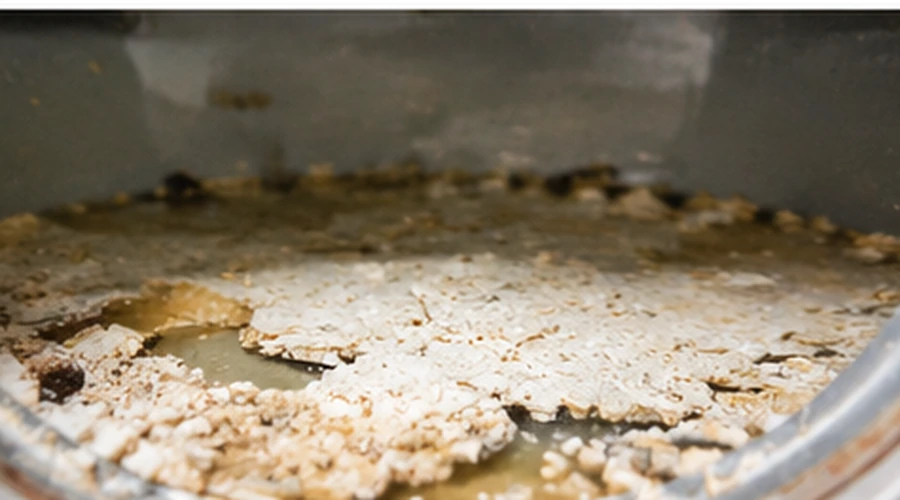
Hard water carries minerals that settle at the bottom of the tank over time. This layer of sediment sits between the heat source and the water, so the heater works harder and heats less. Scale can also coat the metal parts inside.
In UAE homes, this mineral layer acts like insulation and slows down heat transfer. Popping or rumbling sounds from the tank are a classic warning sign. They usually mean water is trapped under the sediment and boiling in small pockets.
Flushing the tank once or twice a year helps a lot. Some buildings also have water softeners or filters to reduce the problem.
Scale builds up faster in homes with heavy daily use, so larger families may need to flush the tank more often.
8. Gas Heaters: Pilot Light and Burner Problems
Some villas and older buildings use gas heaters. These have their own common faults. If the pilot light keeps going out, the thermocouple may be weak or dirty.
This small sensor shuts off the gas when it cannot detect a flame.
• Pilot light will not stay lit
• Burner flame looks yellow instead of blue
• A smell of gas near the unit
• Soot or dark marks around the heater
If you ever smell gas, leave the area, avoid using switches, and call for help straight away. Gas units should also be serviced regularly by a qualified technician, as poor burning can produce harmful fumes.
9. Simple Checks Before You Call Anyone
When the problem first appears, a few quick checks can save you time and money.
• Reset the breaker or isolator switch once
• Check the thermostat dial setting
• Run the hot tap for a few minutes
• Look for water around the base of the tank
• Listen for popping or crackling sounds
Write down what you notice. Clear details help the technician find the fault faster.
Never open the cover panel or touch the wiring while the power is on. Electric heaters carry high voltage and can be dangerous.
10. When to Call a Professional
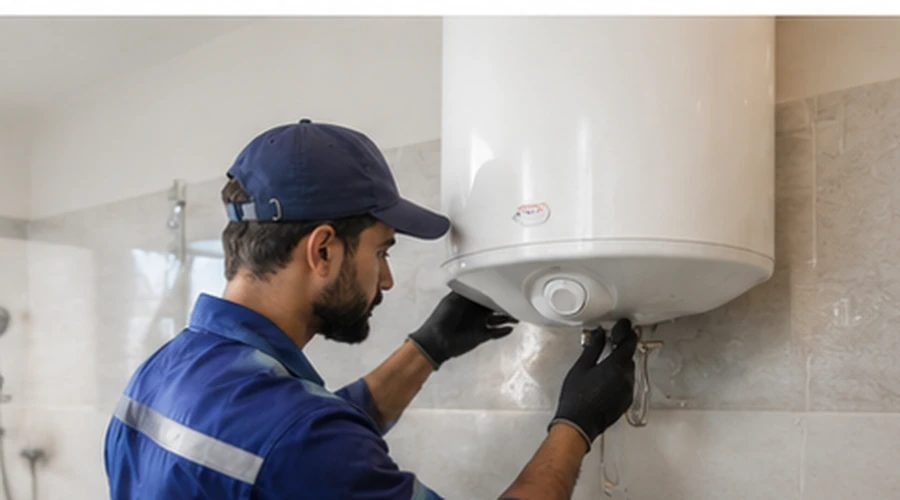
Some problems are clearly beyond basic checks. Call a technician if the breaker keeps tripping, the tank is leaking, or you notice a burning smell. A trained plumber or electrician can safely test the heating element, the water heater thermostat, and the wiring.
Ask for a clear quote before work begins, and check whether spare parts come with a warranty. If you rent your home, report the problem to your landlord or building management first. In many rental contracts, major repairs are the owner’s responsibility.
An annual maintenance contract is usually enough to keep most heaters safe and efficient. Regular water heater repair and servicing also helps you catch small faults early.
If you live in the capital, our guide on finding a reliable plumber in Abu Dhabi explains how to compare quotes and avoid overpaying.
Quick Action Checklist:
Problem |
What to Do |
|
Cold water from every tap |
Check the breaker and isolator switch |
|
Water not hot enough |
Check the thermostat setting |
|
Popping or rumbling sounds |
Arrange a tank flush |
|
Leak near the tank |
Turn off power and water, then call a technician |
|
Smell of gas |
Leave the area and call for help |
|
Unit older than 10 years |
Compare repair and replacement costs |
Conclusion
Finding no hot water in the morning is frustrating, but the cause is usually one of a few common faults. A tripped breaker, a worn thermostat, a burnt-out part, or a heavy scale explains most cases.
Start with the simple checks, stay safe around electricity and gas, and do not ignore warning signs like leaks or strange noises. If your water heater not working problem keeps coming back, it is time for an expert opinion.
When the fault is beyond a quick reset, book a trusted technician for proper water heater repair. A small fix today can save you from a full replacement later.