

The practical details that make your first few weeks of yoga for beginners feel manageable.
Walking into your first yoga class can feel intimidating. If you're looking for honest, practical yoga for beginners advice , not the polished Instagram version:- here are ten things I genuinely wish someone had told me before my first class.
TIP 1: You Don't Need to Be Flexible to Start
Flexibility is the result of yoga for beginners practice, not a prerequisite.
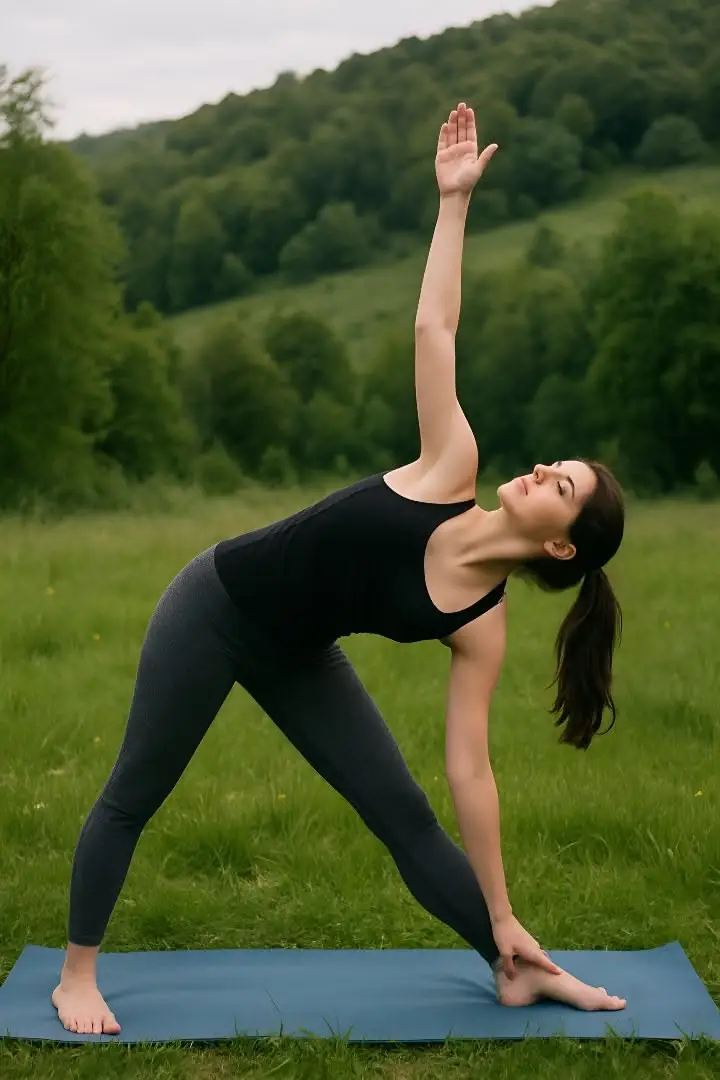
A stiff forward fold on day one is completely normal. Yoga isn't about touching your toes or looking like the person next to you. Pay attention to your effort, breathing, and alignment instead of how far you can stretch.
TIP 2: Skip the Expensive Gear
You don't need a closet full of yoga clothes to get started.
Comfortable, fitted clothes and a basic non-slip mat are enough. Going barefoot can also give you better grip during standing poses. Start with what you already have and upgrade your gear later if you actually feel you need it.
TIP 3: Learn to Breathe Before You Learn to Pose
Breathing is one of the easiest things to overlook when you're learning yoga.
Try slow, controlled breathing through your nose and use it to set your pace. If you notice yourself holding your breath during a difficult pose, ease off rather than forcing yourself to stay there.
TIP 4: Modifications Are Not "Cheating"
Blocks, straps, blankets, and bent knees aren't signs that you're bad at yoga.
They're tools that can make yoga for beginners more comfortable and accessible while helping you maintain better alignment. For example, placing a block under your hand during a standing forward fold can help you reach the floor without rounding your back excessively.
TIP 5: Book "Beginner," Not Just "All Levels"
If it's your first class, look for sessions labeled Beginner, Foundations, Introductory, or Gentle.
An "all levels" class can work for beginners, but the pace may be designed around people who already know the basic movements. A dedicated beginner class usually gives you more time to understand poses and transitions.
TIP 6: Expect to Feel Awkward
You might wobble during Tree Pose, forget which foot to move, lose count, or turn in the wrong direction.
That's completely normal.
Yoga is a physical skill, and every physical skill feels unfamiliar when you first start. You don't have to look graceful on your first few attempts. You just have to keep practicing.
TIP 7: Learn 5 Basic Poses Before Class
Knowing a few common poses can make your first class much easier to follow.
Start with:
-
Mountain Pose
-
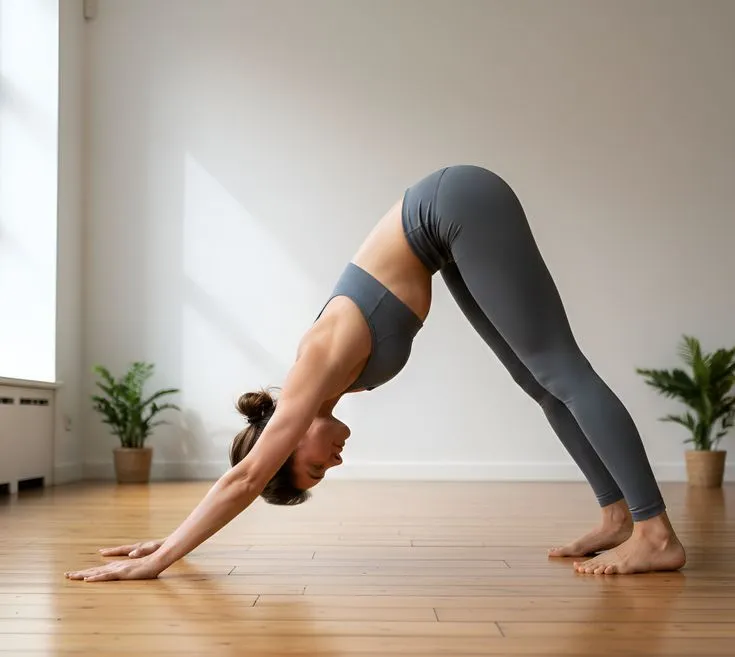
Downward-Facing Dog
-
Child's Pose
-
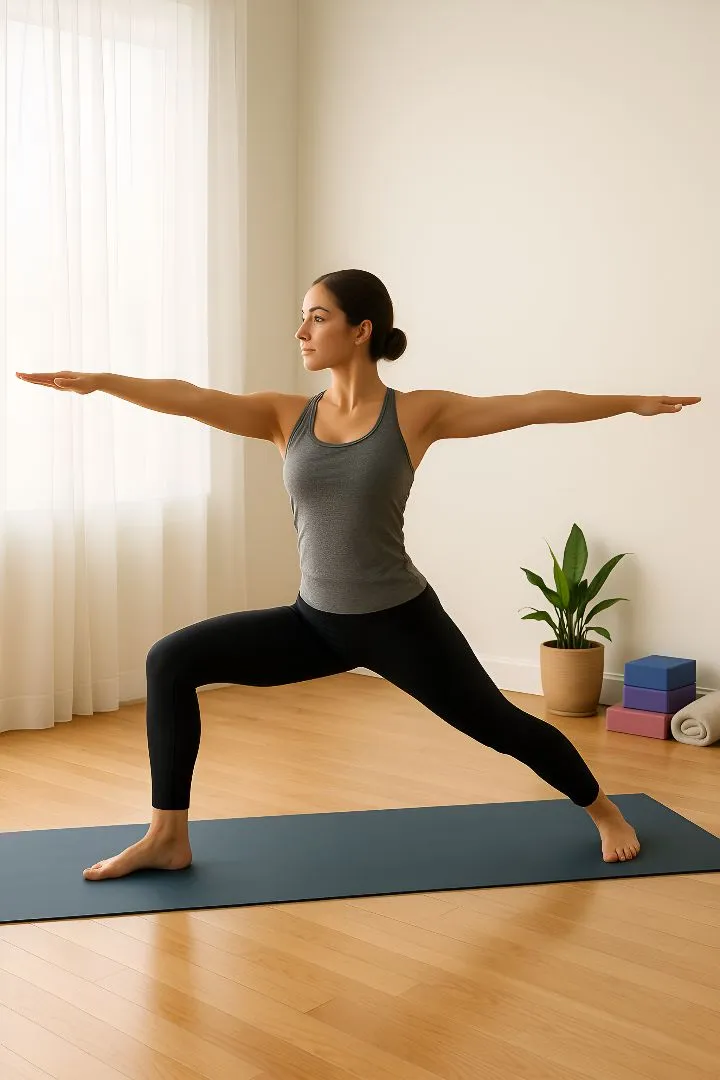
Warrior I and Warrior II
-
Cat-Cow
These movements appear frequently in beginner-friendly classes. Familiarizing yourself with their names beforehand means you can spend less time wondering what the instructor means and more time focusing on your practice.
TIP 8: Time Your Meals
A completely full stomach can make certain yoga poses uncomfortable, but practicing when you're extremely hungry isn't ideal either.
If you need something before class, a light snack 30–45 minutes beforehand can work well. A banana, a few nuts, or a slice of toast are simple options.
For larger meals, give yourself more time to digest before practicing.
TIP 9: Consistency Beats Intensity
You don't need to practice yoga every day to make progress.
Two or three shorter sessions each week can be more sustainable than committing to an ambitious daily routine and giving up after ten days.
The goal of yoga for beginners is to build a habit you can actually maintain. Even a 20-minute session counts.
TIP 10: Savasana Is Not Optional
The final resting pose, Savasana, can look like you're simply lying on the mat, but it's an intentional part of the practice.
Instead of packing your things as soon as the active portion ends, stay for the final relaxation whenever possible. Give yourself those last few minutes to slow down, breathe, and let your body settle.
Common Mistakes First-Timers Make (and the Fix)
Small habits can make your first few yoga classes more difficult than they need to be. Fortunately, they're also easy to correct.
|
Common Mistake |
Why It Happens |
What to Do Instead |
|
Comparing yourself to others |
The person beside you may have years of experience. Everyone's body and progress are different. |
Focus on your own mat. Compare your progress with your previous classes instead of someone else's. |
|
Locking the knees |
It can feel more stable, especially in standing poses. |
Keep a slight bend in your knees rather than forcing the joints completely straight. |
|
Racing to keep the pace |
You may feel pressured to match everyone else's movements. |
Move at your own pace. Slow down, skip a round, or rest in Child's Pose when needed. |
|
Avoiding questions |
Beginners sometimes feel embarrassed about asking for help. |
Ask the instructor before or after class if you're unsure about a movement or modification. |
|
Skipping Savasana |
The final relaxation can seem less important than the active poses. |
Stay for the full final relaxation whenever possible and give your body time to settle. |
How You Improve, Week by Week
Progress in yoga isn't always dramatic. Some changes are subtle at first, while others become easier to notice after several weeks of consistent practice.
|
Timeframe |
What You May Notice |
|
Weeks 1–2 |
You may not see major physical changes yet, but you may become more comfortable with basic poses and breathing. Some people also notice feeling calmer after class. |
|
Weeks 3–6 |
Small improvements can start appearing. You may fold a little further, hold poses longer, balance more comfortably, and feel less sore after practice. |
|
Weeks 6–12 |
Flexibility, balance, and core and shoulder strength may become more noticeable. Basic sequences can also start feeling more familiar. |
|
After 3 Months |
You may feel much more comfortable following beginner sequences and transitioning between common poses. You might still consider yourself a beginner — and that's completely fine. |